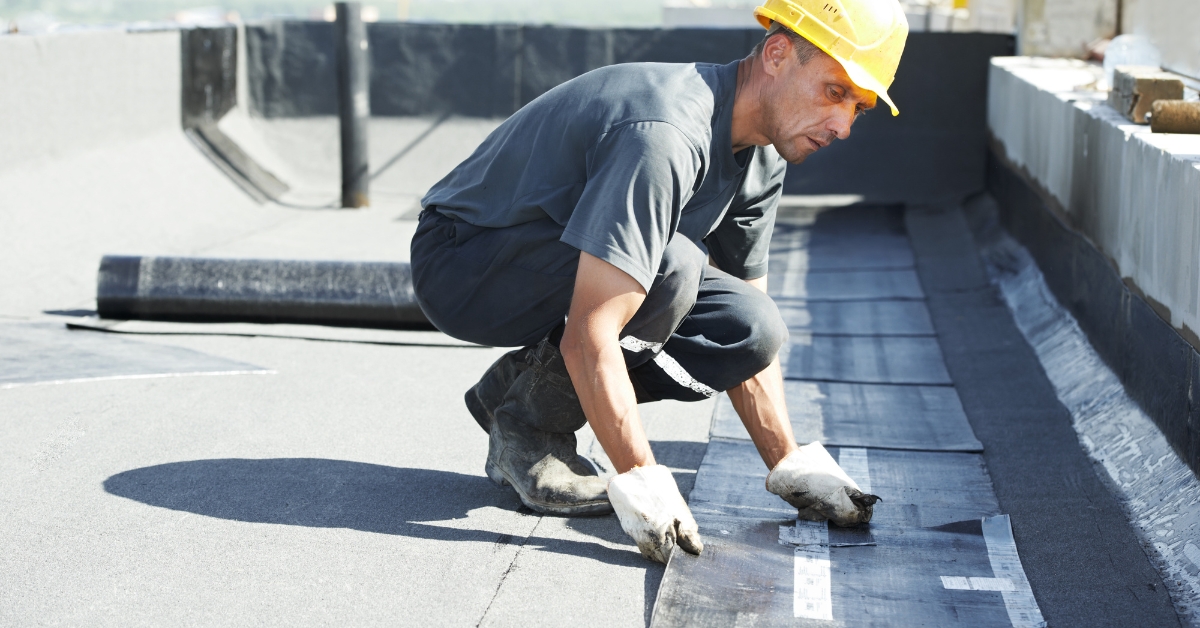
If you have a rubber roof, or you are thinking about installing one, you are probably asking a simple question: how long is this really going to last?
In Utah, our roofs deal with hot sun, cold winters, and sudden storms. That combination can be tough on any flat or low-slope roofing system.
In this article, we walk through how long different types of rubber roofs typically last, what really makes the difference in lifespan, and how you can help your roof reach the upper end of its life instead of failing years early. If you are in Salt Lake City or along the Wasatch Front with a rubber roof over your home or building, this will give you a clear, realistic timeline and next steps.
What Is A Rubber Roof And Where Is It Used?

Rubber roofing is a broad term people use for single-ply membrane systems, most commonly EPDM, TPO, and PVC. These are flexible sheets that are rolled out over the roof and fastened or adhered in place.
On homes and buildings around Salt Lake County, we most often see rubber roofs in a few situations:
- Flat or low-slope residential roofs, especially over additions, porches, or modern designs
- Commercial buildings and warehouses with wide, flat roof decks
- Multifamily properties, such as apartments and townhomes with shared flat roofs
- Garages, carports, and outbuildings where shingles are not a good fit
Instead of overlapping shingles, a rubber roof relies on large continuous sheets and sealed seams. When it is installed correctly, the result is a watertight layer that can handle standing water far better than traditional shingles.
Even though we call them all rubber roofs, the three main materials behave differently and age at different speeds. That is why understanding which type you have is the first step in estimating how long your roof will last.
Quick Guide: What We’ll Cover:
Before we dive deeper, here is a quick guide to the sections in this article:
- Average Lifespan Of Different Rubber Roofing Types
- Factors That Affect How Long A Rubber Roof Lasts
- Signs Your Rubber Roof Is Nearing The End Of Its Life
- How To Extend The Lifespan Of A Rubber Roof
- When To Repair Vs. Replace A Rubber Roof
Average Lifespan Of Different Rubber Roofing Types

The honest answer to how long a rubber roof lasts is this: it depends on what it is made of and how it was installed. Here is how the main types usually compare in our Utah climate.
EPDM Rubber Roof Lifespan
EPDM is the classic black rubber roof you see on many commercial buildings. It is made from a synthetic rubber that stays flexible for a long time.
In Salt Lake City and nearby cities, a properly installed EPDM roof usually lasts:
- 25 to 35 years on average
- Sometimes 40 years or more with excellent maintenance and little foot traffic
EPDM handles temperature swings well, which is a big plus in a place that gets both summer heat and winter snow. The main threats are poor flashing work, standing water, and punctures from equipment or debris.
TPO Roof Lifespan
TPO is a white single-ply membrane that reflects a lot of sunlight. It is popular on both commercial and residential low-slope roofs because it can help keep cooling costs down, especially when paired with cool roof strategies.
Typical TPO roof lifespan in our area:
- Around 20 to 30 years when installed and maintained correctly
Because TPO is relatively light colored, it takes less heat load in summer, which can slow aging. The key is quality seams, terminations, and compatible accessories. Weak welds and cheap materials are what usually shorten a TPO roof's life.
PVC Roof Lifespan
PVC roofing is another white membrane, often used on restaurants, commercial buildings, and some residential projects. It is very resistant to chemicals, standing water, and grease, which is why it shows up on buildings with rooftop vents and kitchen exhaust.
In Utah conditions, a PVC roof commonly lasts:
- 25 to 30 years, sometimes longer on well designed roofs with good drainage
PVC holds up well to ponding water, but like any single-ply membrane, seams and flashings are the weak points when they are not done properly. UV exposure, hail, and heavy foot traffic can also shorten its life if it is not protected or inspected regularly.
Factors That Affect How Long A Rubber Roof Lasts
Two rubber roofs of the same age can look completely different. One may still be performing well while the other is leaking at every storm. The difference usually comes down to a handful of key factors.
Climate And Weather Exposure
Along the Wasatch Front, our roofs deal with:
- Intense UV exposure at higher elevation
- Freeze and thaw cycles in fall and spring
- Heavy snow loads some winters
- Wind driven rain and occasional hail
UV rays can dry out and embrittle membranes over time. Freeze and thaw cycles stress seams and flashing details. Snow and ice put extra load on any weak spots. All of that slowly eats into the expected lifespan.
Quality Of Materials And Installation
We cannot overstate this. The biggest difference maker we see on inspections is installation quality.
What really matters:
- Using membranes and accessories from reputable manufacturers
- Correct adhesives, fasteners, and seam welding techniques
- Properly flashed penetrations, skylights, and walls
- Enough crew experience to handle tricky details
When those pieces are handled right, a rubber roof has a very good shot at reaching or exceeding its rated life. When they are rushed or cut short to save money, problems usually start much earlier.
Roof Design, Slope, And Drainage
Rubber roofs are often installed on flat or very low slope surfaces, which makes drainage critical.
Design details that affect lifespan:
- Adequate slope toward drains or scuppers
- Properly sized drains and downspouts
- No low spots where water can sit for days
- Well detailed edges, parapets, and terminations
Ponding water accelerates aging, weakens seams, and finds its way into any tiny flaw. A roof that drains well will almost always last longer.
Foot Traffic And Rooftop Equipment
On commercial roofs in particular, foot traffic and equipment can be the difference between a long lasting system and a short lived one.
Risk factors include:
- Regular maintenance crews walking without walk pads
- HVAC units, vents, and satellite dishes added without proper supports
- Dropped tools or sharp debris that puncture the membrane
Even for residential roofs, we see problems where people frequently walk on the surface or store items on it. Rubber roofs are durable, but they are not designed as decks.
Ventilation And Underlayment
What happens under the membrane matters as much as what you see on top.
If the roof deck is not vented correctly, heat and moisture can build up below the membrane. That can lead to:
- Condensation, mold, and mildew in the roof structure
- Insulation that becomes damp and loses R value
- Faster breakdown of adhesives and fastening systems
A well designed underlayment system, with proper insulation and ventilation, helps the membrane stay stable and extends the overall life of the roof assembly.
Signs Your Rubber Roof Is Nearing The End Of Its Life
You do not have to climb up with a tape measure to know when a rubber roof is getting tired. The roof usually starts to tell the story in several clear ways.
Visible Cracks, Splits, And Shrinkage
Walk a flat roof that is near the end of its life, and you will often see:
- Hairline cracks that deepen over time
- Splits around corners, seams, and penetrations
- Pulling back from walls or edges, exposing underlying materials
Some minor surface checking can be normal with age, but widespread cracking or obvious shrinkage is a strong sign that the membrane is getting brittle and losing elasticity.
Persistent Leaks And Interior Water Stains
A single leak after a wind driven storm might be a local issue that is easy to repair. Repeated leaks in different locations are a different story.
Warning signs inside the building:
- Brown or yellow stains on ceilings or upper walls
- Peeling paint or bubbling drywall
- Damp smells in upper floors or attic spaces
When we see a pattern of leaks that keeps coming back, it often means the membrane and seams are breaking down across a wider area. Knowing who to call for roof leak issues early can prevent more serious damage.
Blisters, Bubbles, And Loose Seams
Blisters and bubbles usually mean air or moisture is trapped under the membrane. Left alone, those raised areas are more likely to crack, tear, or open up at the edges.
On older roofs, you may also notice:
- Seams that are lifting or no longer tight
- Flashings that have come loose from walls or curbs
- Patches that no longer hold well
All of these are signs that the adhesives or welds are losing their grip and the roof is struggling to stay watertight.
Mold, Mildew, And Insulation Problems
If leaks have been going on for a while, you may see problems well beyond the surface of the roof.
Common late stage issues include:
- Mold or mildew in ceiling cavities or insulation
- Insulation that feels wet, heavy, or squishy
- Higher energy bills because wet insulation is not doing its job
At this point, simply patching the membrane is rarely enough. We usually need to look at the full roof assembly and talk through whether replacement makes more sense than chasing leaks.

How To Extend The Lifespan Of A Rubber Roof
The good news is that you have a lot of control over how long your rubber roof will last. A bit of steady attention goes a long way toward getting the most out of your investment.
Regular Inspections And Preventive Maintenance
We recommend at least one professional roof inspection a year in Salt Lake City, ideally in spring or fall.
A thorough inspection should include:
- Checking seams, flashings, and terminations
- Inspecting around rooftop units, pipes, and skylights
- Looking for ponding areas or clogged drains
- Noting any punctures, blisters, or surface wear
Catching small issues before they open up into full leaks is one of the simplest ways to extend your roof's lifespan.
Prompt Repairs Of Seams, Flashings, And Punctures
When a rubber roof is relatively young and in good overall condition, targeted repairs are very effective.
We focus on:
- Resealing or rewelding weak seams
- Repairing or replacing damaged flashing details
- Installing reinforced patches at punctures or worn spots
Delaying repairs almost always costs more in the long run. Water intrusion can damage decking, insulation, and interior finishes far faster than most people expect. Many of the most common roof repair items start as small issues that were left too long.
Keeping Drains, Gutters, And Surface Clean
Debris is the enemy of drainage. Leaves, branches, and trash can trap water and lead to ponding.
To help your roof last:
- Keep roof drains and scuppers clear
- Clean gutters and downspouts regularly
- Remove loose debris from the roof surface after storms
For commercial and multifamily properties, setting up a simple seasonal roof cleaning routine pays off quickly in fewer leaks and longer membrane life.
Protective Coatings And Reflective Finishes
In some cases, we can extend the life of a rubber roof with coatings or reflective finishes designed for that specific membrane type.
Benefits can include:
- Reduced surface temperature and UV exposure
- Added protection against small cracks and weathering
- Improved energy efficiency, especially on dark EPDM roofs
Coatings are not a cure all, and they must be compatible with the existing system, but when used correctly they can add meaningful extra years to a sound roof.
When To Repair Vs. Replace A Rubber Roof
At some point every rubber roof reaches a crossroads. The question becomes: do we keep repairing, or is it smarter to replace the system and start fresh?
Evaluating Roof Age And Warranty Coverage
We always start with basic facts:
- How old is the membrane, realistically
- What type of rubber roofing is it, EPDM, TPO, or PVC
- Is there any remaining manufacturer or workmanship warranty
If an EPDM or PVC roof is only 10 to 15 years old and has isolated issues, repairs are usually the right move. If the roof is approaching or beyond the upper end of its expected life, replacement starts to look more logical, especially if the warranty has expired.
Assessing Damage Extent And Underlying Issues
We next look at how widespread the problems are.
Repairs make sense when:
- Damage is limited to specific seams or penetrations
- The membrane is still flexible and in decent overall shape
- The insulation and decking are dry and sound
Replacement becomes the better option when we see:
- Multiple leaks in different areas
- Large sections of brittle, cracked, or shrunken membrane
- Wet insulation, rotted decking, or structural concerns
In many inspections around Salt Lake City, we use core cuts or moisture scans to see what is happening under the surface before we recommend a path. When damage is extensive, working with roof replacement services in Utah is often the most cost-effective long-term solution.
Cost Considerations And Long-Term Value
From a budget perspective, it is easy to focus only on the immediate repair cost. What we encourage owners to look at is the total cost over the next 5 to 10 years.
Questions we ask together:
- If we repair now, how likely is it that more leaks will appear soon
- How much could recurring water damage and disruption cost
- Would a new, warrantied roof add value and peace of mind
Often, if a roof is in its last few years and showing multiple warning signs, investing in a replacement provides better long term value than pouring more money into short lived repairs.
If you are unsure where your roof stands, a detailed inspection and honest report from an experienced local roofing contractor in Salt Lake City will give you the clarity you need to decide the next step.
Frequently Asked Questions About Rubber Roof Lifespan
How long does a rubber roof last on average?
How long a rubber roof lasts depends mainly on the membrane type and installation quality. In Utah’s climate, EPDM typically lasts 25–35 years, TPO around 20–30 years, and PVC about 25–30 years. Good drainage, proper flashing, and regular maintenance can push these systems toward the upper end of their ranges.
How long does a rubber roof last in Utah’s climate specifically?
In Utah, rubber roofs face intense UV, big temperature swings, snow loads, and wind-driven rain. With proper installation and upkeep, EPDM membranes often reach 25–35+ years, TPO about 20–30 years, and PVC 25–30 years. Poor drainage, weak seams, and heavy foot traffic can significantly shorten those lifespans.
What are the main signs a rubber roof is nearing the end of its life?
Common late-stage signs include widespread cracks or splits, membrane shrinkage pulling away from edges, frequent or recurring leaks, interior stains and musty smells, blisters or bubbles, loose seams and flashings, and wet or moldy insulation. When several of these show up together, it usually means replacement should be seriously considered.
What is the best way to extend the lifespan of a rubber roof?
To extend a rubber roof’s lifespan, schedule yearly professional inspections, repair weak seams and flashings promptly, keep drains, scuppers, and gutters clear, remove debris after storms, and consider compatible reflective coatings or protective finishes. Limiting unnecessary foot traffic and using walk pads around equipment also helps prevent punctures and premature wear.
Is a rubber roof better than shingles for a flat roof?
For flat or low-slope roofs, a rubber roof is generally better than shingles. Single-ply membranes like EPDM, TPO, and PVC create a continuous, watertight surface that tolerates standing water far better than overlapping shingles, which are designed for steeper slopes. On flat decks, shingles often leak and fail much earlier than rubber systems.
Key Takeaways
- In Utah’s climate, how long a rubber roof lasts depends on its type, with EPDM typically lasting 25–35 years (sometimes 40+), TPO about 20–30 years, and PVC around 25–30 years.
- The main factors that change how long a rubber roof lasts are material and installation quality, roof design and drainage, local weather, and how much foot traffic and rooftop equipment it handles.
- Visible cracking, shrinkage, recurring leaks, blisters, loose seams, and signs of mold or wet insulation are strong indicators that a rubber roof is nearing the end of its lifespan.
- Regular professional inspections, fast repairs to seams and flashings, clean drains and gutters, and compatible protective coatings can significantly extend how long a rubber roof lasts.
- Choosing between repairing and replacing a rubber roof means weighing its age, warranty status, extent of membrane and insulation damage, and the long-term costs of ongoing leaks versus a new system.
Ready to Install a New Roof? Start Today.
Rubber roofs are a smart solution for flat and low slope roofs across Utah, but like any system, they have a lifespan. EPDM, TPO, and PVC each have their own typical ranges, and factors like installation quality, drainage, weather, and maintenance can swing the real lifespan by many years.
If you pay attention to early warning signs, schedule regular inspections, and act quickly on repairs, you can often help your rubber roof reach the upper end of its expected life. When the time does come to consider replacement, looking at age, damage extent, and long term costs together will lead you to the right choice.
If you are in Salt Lake City, West Valley City, Sandy, Murray, or South Jordan and you are not sure how much life your rubber roof has left, the safest move is to have a trusted Utah roofing expert take a close look and talk through your options in plain language.
Related reads:
- Essential roof maintenance tips for your home
- How regular roofing inspections can save you money in the long run
- Does your home need a roof replacement?
- 5 signs your roof needs to be repaired
- Roofing repair services from Vertex Roofing

- Your 50-Year Roof Warranty in Utah: What Every Homeowner Needs to Know - March 16, 2026
- Roof Repair Guide: Expert Tips from Vertex Roofing - March 5, 2026
- How To Get Insurance To Pay For Roof Replacement - December 10, 2025