Blog

How To Get Insurance To Pay For Roof Replacement

How To Get Insurance To Pay For Roof Replacement

When Your Roof Is Damaged, And You Are Staring At A Big Bill

If you live in Salt Lake City or anywhere along the Wasatch Front, you know how quickly wind, hail, and heavy snow can turn a good roof into a problem. When that happens, one question jumps to the front of your mind: Will insurance actually pay for the replacement?

This guide walks you step by step through what to do so you give your claim the best possible chance of approval. If you are dealing with sudden roof damage, active leaks, or an adjuster who seems hard to read, you are not alone. By the time you reach the end, you will know what insurance usually covers, what proof you need, and how to avoid the mistakes that cause good claims to be denied.

What Insurance Actually Covers For Roof Damage

Here is the thing. Homeowners insurance is more predictable than it feels when you are stressed. Most Utah policies cover sudden and accidental damage. They do not cover old age or routine wear, but they often pay when real storm events hit your roof.

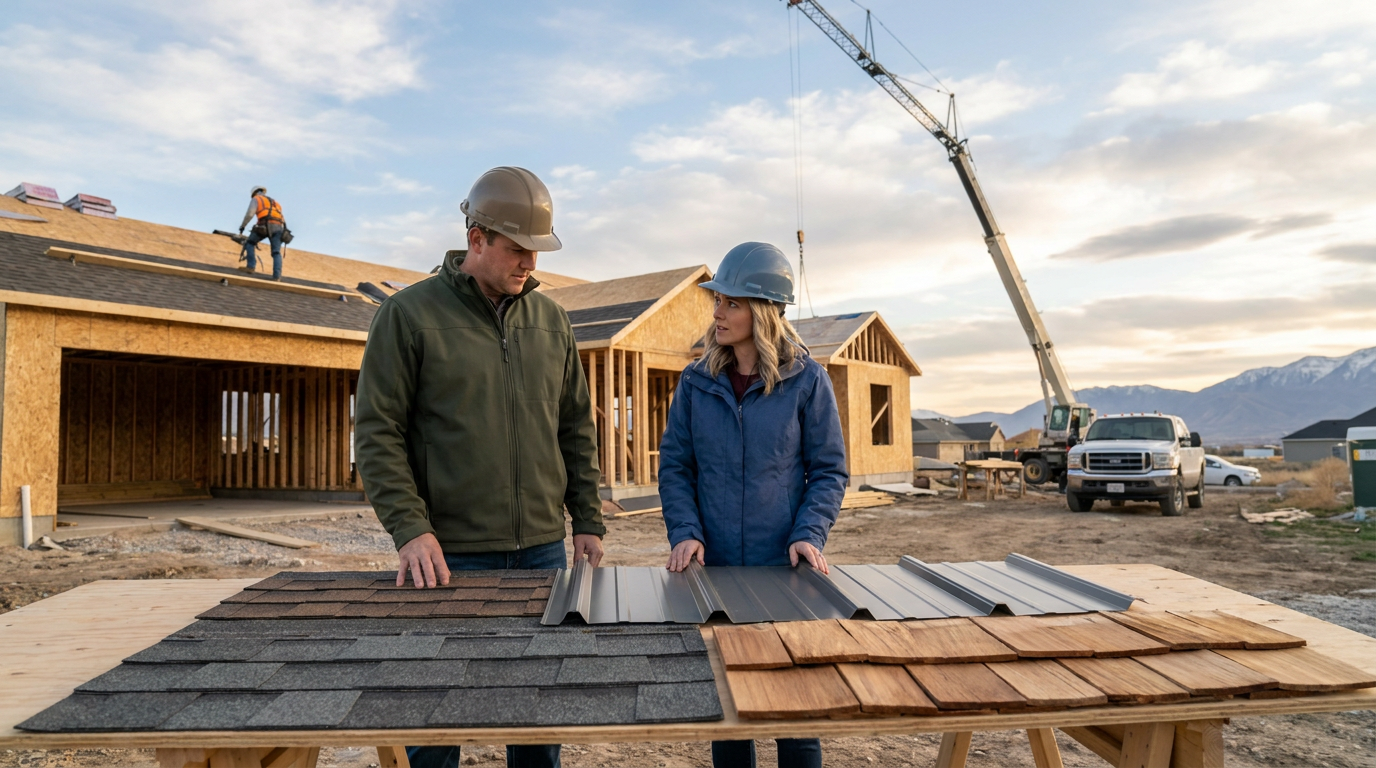
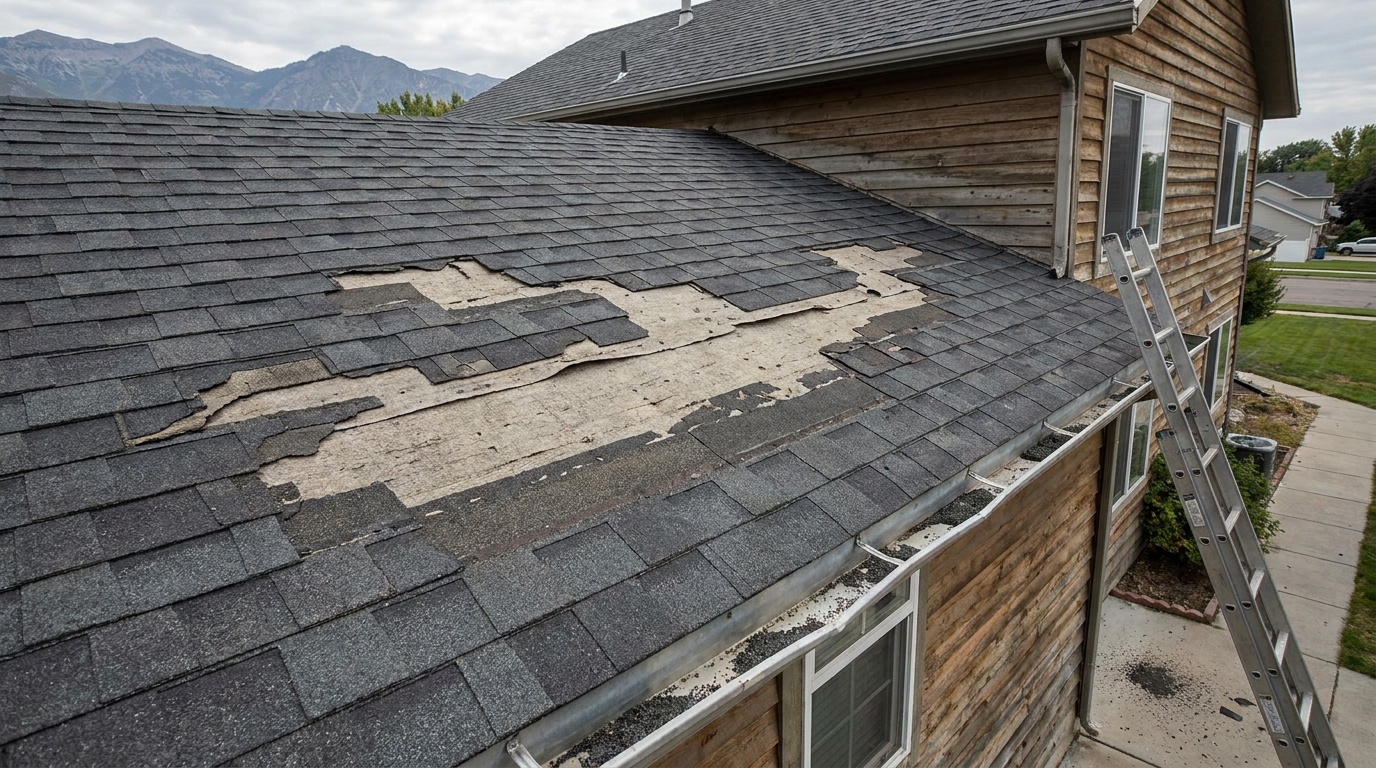
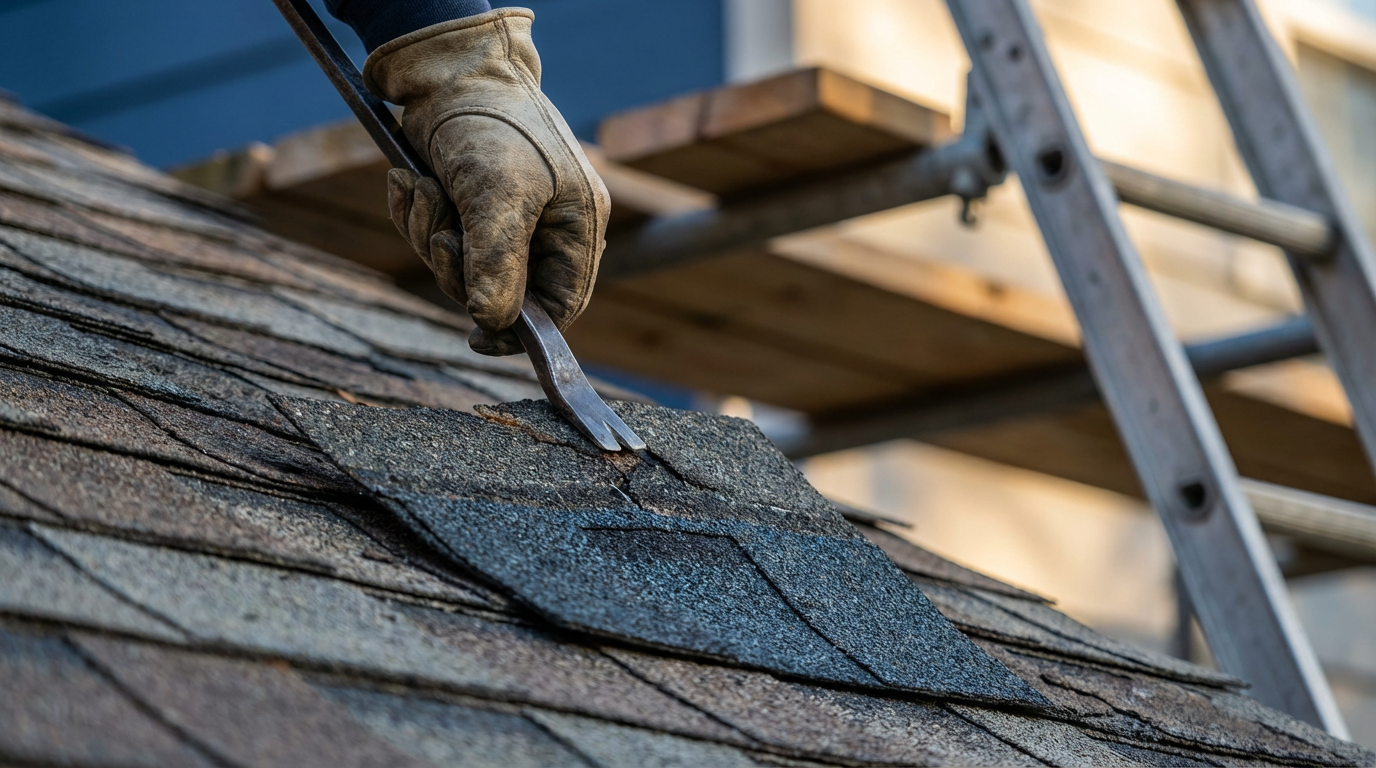
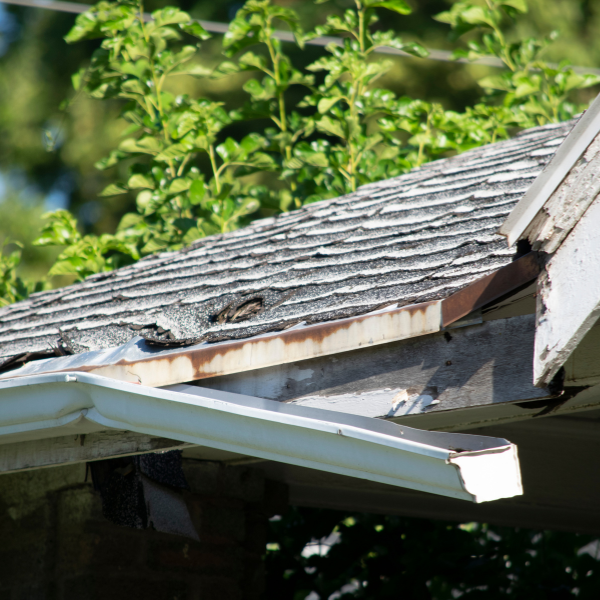
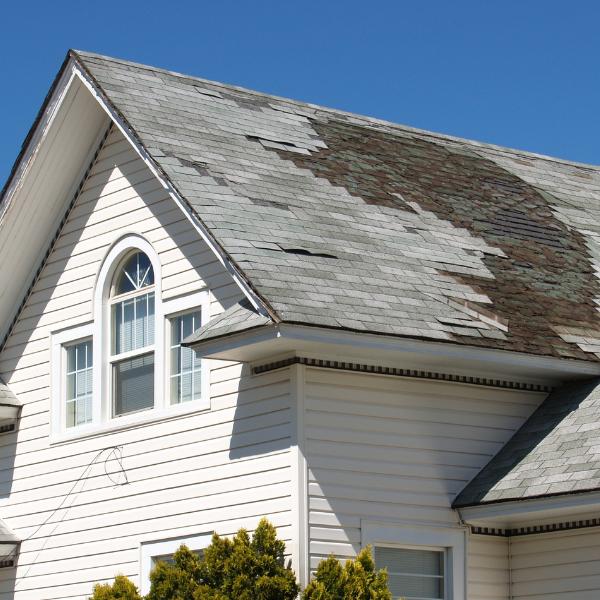
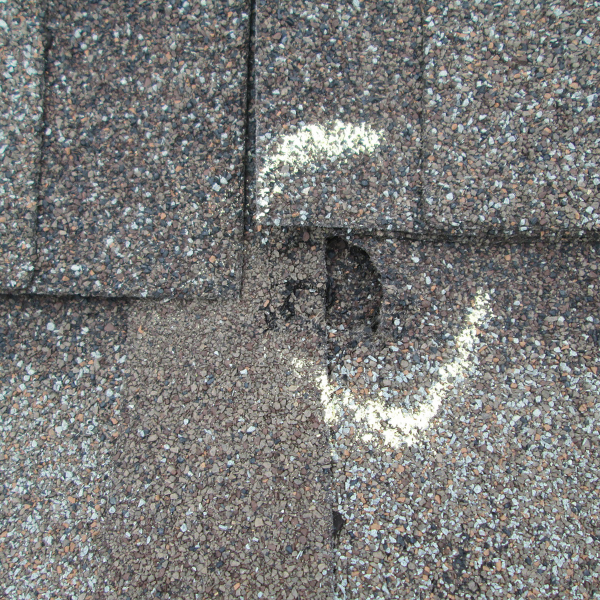
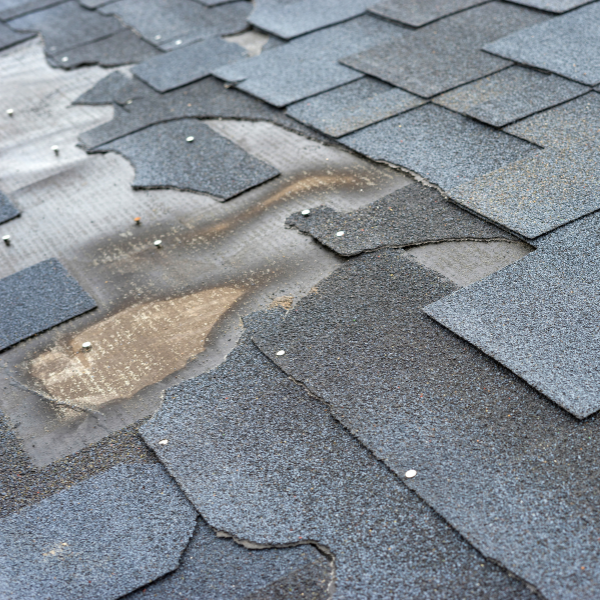
roof-hail-wind-damage-close-up-salt-lake-city.jpg

The Main Types Of Damage Usually Covered

Insurance companies commonly approve claims for:

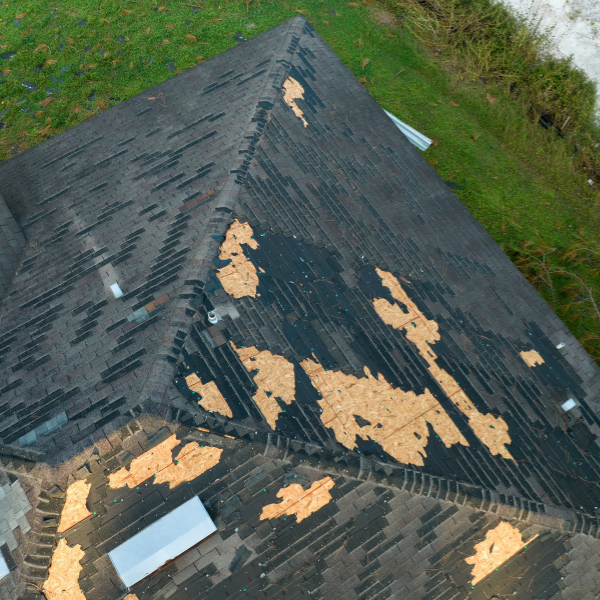
  1. Wind damage including missing or lifted shingles
  2. Hail impact that bruises or fractures shingles
  3. Tree limbs or debris hitting the roof during a storm
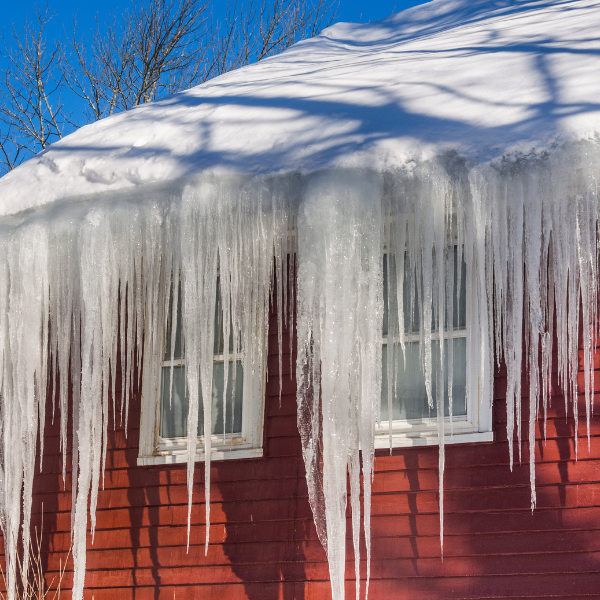
  4. Ice dams that lead to active interior leaks
  5. Fire or smoke damage
  6. Structural problems caused by sudden impact

If the damage lines up with a weather event that can be verified in your area, your claim already has a solid foundation.

Why Age Matters But Is Not Always A Deal Breaker

Many homeowners assume an older roof cannot be covered. That is not automatically true. If sudden damage happens, the real questions become:

  1. Was the roof in reasonable condition before the storm
  2. Did the storm create new, visible damage
  3. Did shingles fail due to impact rather than long term neglect

If a storm clearly created fresh damage, age becomes one factor, not the final verdict.


How To Tell If Your Roof Qualifies For Coverage

Before calling anyone, most homeowners just want to know if they have a real shot at getting approved. A simple checklist can help you decide whether to move forward with a claim.

Quick Self Check

Your roof may qualify if you notice any of the following after a storm:

  1. Shingles that are cracked, bent, missing, or torn
  2. Fresh piles of granules in gutters or on the ground
  3. Neighbors scheduling roof inspections after the same event
  4. New water stains on ceilings or walls that appeared right after the storm
  5. Shingle pieces or debris scattered around your yard
  6. A known wind or hail event in your ZIP code on or near the date of damage

If even one or two of these sound familiar, you should at least have a qualified roofer take a closer look.

wasatch-front-storm-clouds-roof-damage-weather-event.jpg

Utah Weather Patterns That Strengthen Claims

Insurance carriers cross check storms using weather data. Along the Wasatch Front, the most common events tied to roof claims are:

  1. Strong spring wind bursts
  2. Late summer hail storms
  3. Heavy winter snowfall and ice dams
  4. Sudden temperature swings that weaken shingles

When your damage lines up with a documented weather event, adjusters are more likely to recognize it as legitimate storm damage.


Step By Step Guide To Filing A Successful Roof Replacement Claim

Let’s break the process into simple, predictable steps. This is what most homeowners actually want: a clear order of what to do and when.

homeowner-insurance-adjuster-roof-claim-review.jpg

Step 1. Document The Damage Right Away

Before you clean anything up, take detailed photos of:

  1. Missing, lifted, cracked, or curled shingles
  2. Exposed underlayment or decking
  3. Dents or impact marks on shingles, vents, and flashing
  4. Interior leaks, stains, or peeling paint
  5. Debris on the roof or around the property

The more proof you have, the easier it is to back up your story later.

Step 2. Schedule A Professional Roofing Inspection

Instead of calling insurance first, bring in a roofer who understands storm damage and insurance language. A professional roofing inspection gives you:

  1. A full written report you can hand to the adjuster
  2. Clear photo evidence from the roof surface, not just the ground
  3. An estimate that reflects the true cost of repairs or replacement
  4. Confirmation that the damage is storm related, not just wear

This step alone can change the outcome of a claim.

Step 3. File The Claim With Your Insurance Provider

Once you have documentation, call your insurance company and open a claim. They will ask for:

  1. Your policy number
  2. The date of the storm or event
  3. A short description of what happened
  4. Any photos or inspection reports you already have

Keep your description factual and simple. Avoid guessing at causes or mentioning age more than necessary.

Step 4. Meet With The Adjuster

Your adjuster will schedule a time to inspect the roof. Whenever possible, have your roofer on site during that visit. Their role is to:

  1. Point out all storm-related damage
  2. Make sure no slopes or sections are skipped
  3. Answer technical questions about materials and repairs

In many cases, a roofer who understands storm damage can help the adjuster see the full scope of the problem.

Step 5. Get Approval And Schedule The Replacement

If the adjuster agrees that the roof has covered storm damage, they will create an estimate and issue an initial payment. From there:

  1. You choose a contractor to complete the roof replacement
  2. Work is completed according to the scope
  3. Final photos and invoices are sent to the insurer
  4. The remaining funds are released

A good contractor makes this process feel structured instead of chaotic.

Mistakes That Trigger Roofing Claim Denials

Many denied claims were avoidable. The damage was real. The documentation and process were not. Here are the most common missteps to avoid.

Mistake 1. Waiting Too Long To File

Most carriers have strict deadlines for reporting storm damage. Waiting months or years gives them room to argue that other factors caused the problem.

Mistake 2. Cleaning Or Repairing Before Taking Photos

Homeowners often want to be helpful and tidy up. The issue is that you can accidentally remove the very evidence that shows the severity and cause of the damage. Always document first.

Mistake 3. Calling Insurance Before Talking To A Roofer

If you call your carrier first, you may describe the damage in a way that weakens your claim. A roofer can help you understand what actually happened so you speak accurately when you file.

Mistake 4. Relying Only On The Adjuster’s Opinion

Adjusters work for the insurance company. Without a contractor present, they may miss details or classify problems as maintenance instead of storm damage.

Mistake 5. Accepting A Denial Without Question

If you truly believe a storm caused the problem, you can ask for a reinspection or submit additional evidence. A roofer who documents thoroughly and understands how to submit an insurance claim for your roof can be a huge help here.


How A Roofing Inspection Strengthens Your Claim

This is where experience really shows. At Vertex Roofing, we inspect storm damage across Salt Lake County all the time. Most calls start the same way:

“My roof is leaking and I am not sure if insurance will help.”

A proper inspection gives clear answers. You get:

  1. Drone or roof level photos that prove impact, not just age
  2. Measurements that show how much of the roof is affected
  3. A detailed scope of work that matches what a full replacement will require
  4. Support when the adjuster arrives so nothing gets overlooked

If you have a leaky roof or missing shingles after a storm, an inspection is not just “nice to have.” It is the foundation of a strong claim.


What This Means For Utah Homeowners

The insurance process feels complicated because most people only go through it once or twice in their life. Insurers and adjusters, on the other hand, live in that world every day.

What this really means is that you do not have to become an insurance expert. You just need:

  1. Solid documentation of the damage
  2. A roofer who understands how storms affect Utah roofs
  3. A clear, timely claim with accurate information

When those pieces are in place, getting insurance to cover a roof replacement becomes much more realistic.


Quiet Ways To Show Real World Expertise

You should always be cautious of anyone who promises guaranteed approvals. No contractor controls an insurance company’s final decision. What an experienced roofer can control is the quality of the inspection and documentation they provide.

At Vertex Roofing, we:

  1. Work on residential and commercial roofs across the Wasatch Front
  2. Understand how local wind, hail, and snow patterns actually damage shingles
  3. Provide detailed reports that adjusters and underwriters can work with
  4. Stand behind our work with long term warranties so you are protected long after the claim is closed

Those are the kinds of details smart homeowners look for when choosing who to trust with their roof.


Ready For Next Steps

If your roof has taken a hit and you are not sure what to do next, the simplest move is to schedule an inspection and get the facts. From there, you can decide whether a claim makes sense without guessing.

You can also look at how your roof is performing in general. Many homeowners discover in this process that they already had underlying issues and were close to the point where signs you need a roof replacement were starting to show. Catching that early is a win, with or without insurance.

FAQ About Getting Insurance To Pay For Roof Replacement

Protect Your Home And Your Budget With The Right Help

If your roof was hit by wind, hail, or heavy snow, you do not have to guess your way through the insurance process. With the right documentation, inspection, and claim strategy, many Utah homeowners do get approved for partial or full replacement.

Take a simple path: document the damage, schedule an inspection with a trusted local roofer, and then file your claim with confidence. From there, you can focus on getting the work done and keeping your home dry and protected for years to come.

If you want practical guidance, you can always reach out for an inspection, a second opinion, or help understanding what your policy is likely to cover.

Related Reads

If you found this helpful and want to keep going, here are a few good next steps:

Vertex Roofing Employee Literally Went Sky High for Customers

Salt Lake Roofer Jumps Out of a Plane, Because “Sky High Service” Isn’t Just a Catchphrase for Vertex Roofing

When most roofing companies talk about “going above and beyond” for their customers, it’s usually a figure of speech. Maybe it means staying late to finish a repair or answering a call after hours. But for Gavin from Vertex Roofing, the phrase took on a much more literal meaning. In a bold move that quickly captured attention across Utah, he jumped out of an airplane at 13,000 feet.

Why go to such extremes? Because when your company tagline is “Roofing to the Peak of Perfection,” sometimes the best way to communicate your commitment is to demonstrate it in a way no one will forget. Gavin’s skydive wasn’t just a thrill-seeking moment, it became a visual symbol of the high standards and elevated service Vertex Roofing is known for throughout northern Utah.

Serving homeowners across Salt Lake County, Davis County, and Summit County, Vertex Roofing has built a reputation on quality craftsmanship, durable roof systems, and a truly customer-first approach. Their team is trusted for handling everything from minor repairs to full roof replacements, always with an emphasis on precision and reliability. Gavin’s jump simply highlighted the culture behind those values in a memorable and unexpected way.


The Facebook Post That Had Utah Doing a Double Take

Here’s the official Vertex Roofing post that got Salt Lake scrolling, laughing, and wondering if Gavin gets hazard pay:

A Unique Way to Show Commitment

Gavin’s jump wasn’t about theatrics; it was about demonstrating the mindset Vertex Roofing brings to every project. While the average homeowner doesn’t need their Salt Lake City roofer to leap out of an airplane, they do want a team that takes initiative, embraces challenges, and consistently delivers dependable results.

The skydive served as a visual reminder of precision, preparation, and confidence; qualities core to the company’s approach to roofing projects throughout northern Utah.

Whether your roof needs repair, replacement, or a post-storm rescue, you want a crew with this level of enthusiasm.


Roofing to the Peak of Perfection

Vertex Roofing continues to raise the standard for what homeowners can expect from a professional roofing contractor. Their team consistently delivers workmanship that lasts, paired with responsive service and clear communication. Whether they’re repairing storm damage, completing a full roof replacement, or performing a roof inspection, the commitment remains the same.

With a trusted presence throughout Salt Lake, Davis, and Summit Counties, Vertex Roofing has earned its reputation by treating each project with the same level of care Gavin demonstrated in that unforgettable moment above the clouds.

If you’re looking for a Salt Lake City roofer who stands behind their work and takes pride in delivering dependable, high-quality results, Vertex Roofing is ready to help.

How Long Do Roofs Last in Utah - Residential Roofs

How Long Do Roofs Last in Utah?

If you live in Utah, you’ve probably asked yourself how long your roof will hold up against the snow, sun, and high-altitude heat. Maybe you’ve noticed curling shingles, a small leak, or just realized your roof is pushing 20 years old. You’re not alone. Thousands of Utah homeowners face this same question every year, wondering whether their roof has more life left in it or if it’s time to plan for a replacement.

In this guide, you’ll get a clear, honest answer about roof lifespan, what really affects it in Utah’s climate, and how to make your roof last as long as possible before you need major work.

Average Roof Lifespan by Material

If you’re looking for a quick answer, here it is: most residential roofs in Utah last between 20 and 50 years, depending on the materials, maintenance, and exposure to the elements.

Here’s a breakdown:

Roof TypeAverage LifespanIdeal ForNotes
Asphalt Shingle20–30 yearsMost Utah homesAffordable and common, but shorter life
Architectural Shingle25–40 yearsHomeowners wanting durabilityBetter wind resistance and appearance
Metal Roof40–70 yearsMountain and rural areasHigh upfront cost, excellent longevity
Tile Roof50–100 yearsLuxury or historic homesHeavy, requires strong framing
Flat Roof (EPDM, TPO)15–25 yearsCommercial or modern homesNeeds regular inspection and sealing

Each material has its pros and cons, but remember that Utah’s weather plays a big role in shortening or extending these averages.

What Affects Roof Lifespan in Utah’s Climate

Utah’s beautiful seasons come with challenges for your roof. From heavy snow to blazing summer sun, every weather cycle takes a toll. Here’s what matters most:

What Affects Roof Lifespan in Utah Climate

1. Temperature Fluctuations

Rapid freeze-thaw cycles cause expansion and contraction in shingles and underlayment, leading to cracking and leaks.

2. UV Exposure

At higher elevation, UV rays are stronger. Asphalt shingles and membranes can dry out and lose flexibility faster than in lower-elevation regions.

3. Ice Dams

Snowmelt that refreezes near gutters can force water under shingles. Proper attic ventilation and insulation are crucial in Utah homes. Read more about prevention in our guide to ice dam prevention and repair.

4. Air Quality and Dust

Salt Lake’s air carries fine dust and particulates that collect in gutters and valleys. Regular cleaning helps prevent buildup and early wear.

5. Poor Installation or Ventilation

Even the best materials will not last if installed poorly or without adequate attic airflow. Heat buildup shortens a roof’s lifespan significantly. Learn why ventilation matters in this article on proper roof ventilation.

How to Make Your Roof Last Longer

A well-built roof can go the distance, but only with consistent care. These steps can easily add years to its life.

1. Schedule Annual Roof Inspections

Catching small issues early saves thousands later. An inspection can reveal cracked flashing, missing shingles, or early signs of leaks before damage spreads. Here’s exactly what to expect from a roof inspection.

2. Keep Gutters Clear

Clogged gutters trap water and ice, leading to premature decay along the eaves. Check them each spring and fall. Use this checklist of tips for caring for your gutters.

3. Trim Overhanging Branches

Tree limbs can scrape shingles and allow pests easy access. Keep branches several feet away from your roofline.

Roof Maintenance Tips to Extend Roof Life in Utah

4. Improve Attic Ventilation

Hot attics cook shingles from below. Proper ventilation balances heat and moisture, extending roof life and improving energy efficiency.

5. Address Small Repairs Quickly

A missing shingle or loose flashing can turn into a major leak during Utah’s spring storms. Quick repairs prevent big replacements.

Signs It’s Time to Replace Your Roof

Every roof eventually reaches the end of its service life. Here’s how to tell:

  1. Shingles are curling, cracking, or missing
  2. You find granules in gutters or at the base of downspouts
  3. Your attic has moisture, mold, or light showing through decking
  4. The roof sags between rafters
  5. Repairs are becoming more frequent than inspections

If you notice more than one of these signs, it’s probably time to start planning your replacement. For guidance on materials and choices, see this overview of the best roofing materials.

Signs You Need Roof Replacement in Utah

What This Really Means for Utah Homeowners

Roof Inspection Experts in Utah - Vertex Roofing Style

Many Utah roofs age faster than their advertised lifespan because of harsh seasonal swings. If your roof is 20 years old or more, even with good care, you’re likely in the window for replacement planning.

That doesn’t mean panic. It means being proactive. A professional roof inspection can help you understand exactly where your roof stands and how long you can safely wait before investing in a new one.

Why Expertise Matters When Assessing Roof Lifespan

At Vertex Roofing, we’ve inspected thousands of Utah roofs over the past 15 years. We’ve seen how local conditions, from Murray to Sandy to South Jordan, impact different roof types in unique ways.

Our licensed team uses detailed photo inspections, attic checks, and material testing to give homeowners honest, data-backed answers about their roof’s remaining life. We don’t guess. We show you.

When you understand what’s really happening above your head, you can make smart decisions that protect your home, your budget, and your peace of mind.


Ready to Take the Next Step?

If your roof is nearing the end of its lifespan or you’re unsure how much longer it will last, we can help.

Schedule a Free Roof Inspection to get an accurate assessment of your roof’s condition and a clear, transparent quote if repairs or replacement are needed.

Your roof doesn’t have to be a mystery. A quick inspection today can save you from costly damage tomorrow.


Frequently Asked Questions About Roof Lifespan

Protect Your Home with a Roof That Lasts

Your roof is your home’s first defense against Utah’s weather. Knowing how long it should last and what you can do to extend its life helps you plan, protect, and invest wisely.

If you’re unsure where your roof stands, schedule an inspection with Vertex Roofing today. You’ll get a clear report, professional advice, and options that fit your home’s needs and your budget.

A strong, reliable roof isn’t just peace of mind. It’s protection for everything beneath it.

Related Reads:

Roof replacement project showing workers installing shingles

How Much Does It Cost to Reroof a House?

When the Roof Over Your Head Becomes a Question of Cost

A leaking ceiling, curling shingles, or just the age of your roof can all push the same worry to the front of your mind: how much is this going to cost me? For many Utah homeowners, the roof isn’t something they think about until there’s a problem. That’s when the numbers matter most.

If you’re in Salt Lake City or the surrounding area and wondering what a reroof will run you, this guide lays out the real costs, the factors that drive those costs up or down, and what you can do to get the most value for your money.

What We’ll Cover:

Average Cost to Reroof a House

When people search this question, they want a straight answer. So here it is:

A woman sitting on a couch holds a large purple pot and looks upward with a concerned expression, perhaps worrying about reroofing costs after a leak.

  1. The average cost of reroofing a home in the U.S. falls between $9,000 and $20,000, depending on size and materials.
  2. In Salt Lake City, reroofing a typical 2,200 sq. ft. home usually lands between $11,000 and $16,000 for asphalt shingles.
  3. Larger homes, steep-pitched roofs, or premium materials can push the number higher.
Here’s the thing: national averages don’t tell your whole story. Local building codes, Utah’s snow load requirements, and your roof’s age all change the final bill.

Key Factors That Impact Roofing Prices

Not every reroof costs the same. Here’s what drives the price:

  1. Roof size and pitch: Bigger or steeper means more labor and materials.
  2. Material choice: Asphalt shingles are most affordable, while metal, tile, or slate cost significantly more.
  3. Old roof removal: Tearing off multiple layers or hauling away damaged materials adds to cost.
  4. Decking condition: If rotten wood is found underneath, it must be replaced.
  5. Local requirements: Salt Lake permits and inspections are part of every job.
  6. Extras: Things like new ventilation, underlayment, or flashing upgrades.

A person uses a calculator over financial documents on a table, with a small model house, a pen, and a smartphone nearby—perhaps estimating roofing costs or figuring out the cost to reroof a house.

Knowing these ahead of time helps you budget smarter.


Reroofing Costs by Material

Homeowners often want to compare the costs of their options. Here’s a breakdown:

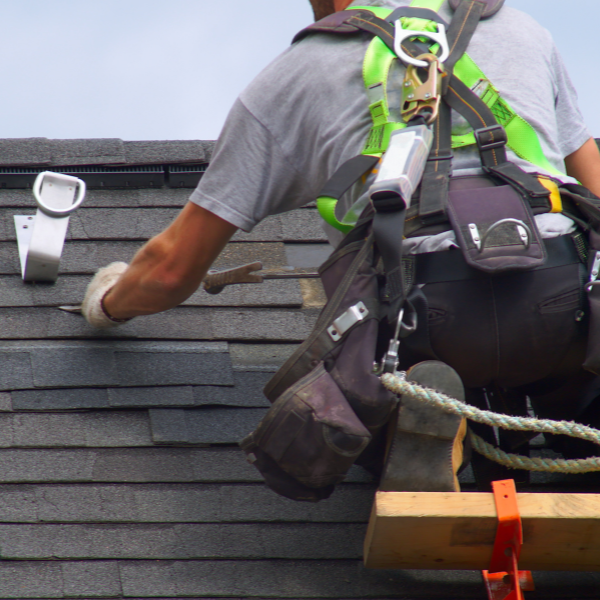
A person wearing a safety harness and orange hoodie climbs a ladder to work on a gray shingled roof, highlighting the careful process involved in roof replacement and its impact on reroofing cost.

  1. Asphalt shingles: $5-$8 per sq. ft. (most common in Utah, see our guide to roofing shingles)
  2. Metal roofing: $8-$14 per sq. ft.
  3. Tile roofing: $12-$20 per sq. ft.
  4. Flat/low slope systems: $7-$12 per sq. ft.

Tip: Don’t just look at upfront cost. A metal or tile roof can last twice as long as shingles, which may make it the better investment over time.

Timeline: How Long a Reroof Takes

One of the top concerns people have is how disruptive the process will be. Here’s a general breakdown:

  1. Permit & prep: 1-3 days
  2. Tear-off & inspection: 1-2 days
  3. Installation: 2-4 days for average home size
  4. Final inspection & cleanup: 1 day

Most reroof projects in Salt Lake are wrapped up in about a week, weather permitting. For details on the process, see our article on what to expect from your roof inspection.


Repair vs. Replacement: Making the Right Call

Not every roof needs a full replacement. Sometimes a repair is enough. You’ll likely need a full reroof if:

  1. Your roof is 20+ years old
  2. Shingles are missing, curling, or losing granules across large areas
  3. Leaks are showing up in multiple spots
  4. Energy bills are climbing due to poor insulation/ventilation

A professional inspection is the only way to know for sure, but catching problems early can save thousands. Read more about how to tell if you need a new roof.


How to Choose a Contractor You Can Trust

This is where homeowners often get stuck. Here’s what to look for:

  1. Licensing and insurance (always ask to see proof)
  2. Warranty coverage: long-term material and workmanship guarantees matter
  3. Local experience: Utah roofs face snow, ice, and sun-hire someone who knows the climate
  4. Clear, written estimates: no vague promises or handshake deals

For more tips, check out our guide on questions to ask your roofing contractor.

At Vertex Roofing, we back every project with a 50-year material warranty and 25-year workmanship guarantee, so you know you’re covered long after the crew leaves.


Why You Can Trust This Information

We’ve been reroofing homes and businesses across Salt Lake City for over 15 years. That means we’ve seen everything from minor leaks to full structural replacements. Our perspective isn’t theory-it’s based on real homes, real numbers, and real results for Utah property owners.


Ready to Take the Next Step?

If you’re weighing the cost of reroofing, the easiest way to stop guessing is to get a personalized quote.

Vertex Roofing offers:

  1. A 24-hour quick quote service
  2. An instant online pricing tool where you can visualize your new roof with different shingles
  3. A visualizer tool to see your home with different shingles

✔️ No pressure. Just clear numbers to help you decide what’s right for your home.

FAQs

Protect Your Home with the Right Roof

Your roof isn’t just shingles-it’s your home’s first defense against Utah’s weather. Knowing what reroofing costs, why those numbers vary, and what to expect during the process gives you the power to make the right call.

If you’re ready to explore your options, the team at Vertex Roofing is here to help with clear pricing, expert installation, and warranties that protect your investment.


Related Reads:

Roof inspection in Salt Lake City home

What Is Included in a Roof Inspection

Why a Roof Inspection Matters More Than You Think

If you’re in Salt Lake City and worried about leaks, missing shingles, or whether your roof will hold through another Utah winter, you’re not alone. Many homeowners and business owners wait until a minor issue becomes a costly problem. A roof inspection is the first step to knowing exactly where you stand.

In this guide, we’ll walk through what’s actually checked during a roof inspection, why it matters, and how it helps you avoid surprise costs. By the end, you’ll know exactly what to expect when calling in a professional.

What We’ll Cover:

  1. What a Roof Inspection Includes
  2. Why Roof Inspections Are Important
  3. How Often You Should Get a Roof Inspection
  4. Common Issues Found During Inspections
  5. What Roof Inspections Don’t Cover
  6. FAQ: Roof Inspection Questions Answered

What a Roof Inspection Includes

A professional roof inspection is much more than glancing at shingles. Inspectors follow a process that covers every major part of your roof system. Here’s what typically gets checked:

Roofer checking flashing during roof inspection

  • Exterior Roofing Materials: Shingles, tiles, or metal panels for cracks, curling, missing sections, or wear.
  • Flashing & Sealants: Areas around chimneys, skylights, vents, and valleys are checked for gaps that cause leaks.
  • Gutters & Drainage: Ensure a proper slope, avoid clogging, and inspect for damage that could cause water to accumulate under the roofline (see tips for caring for your gutters).
  • Roof Structure: Sagging areas, soft spots, or damaged decking.
  • Ventilation & Insulation: Ensuring airflow in the attic and insulation levels prevents heat loss and ice dams - why attic ventilation is important.

  • Interior Checkpoints: Inspect the attic, ceilings, and walls for water stains, mold, or damp insulation.

  • A good inspector also examines penetrations, pipe boots, ridge caps, and any vulnerable joints where leaks are commonly found to begin.


    Why Roof Inspections Are Important

    Roof inspections aren’t just about catching leaks. They protect your property value and your wallet. Here’s why they matter:

    1. Preventative Care: Finding cracked shingles or loose flashing early prevents water damage inside your home.
    2. Insurance Claims: After storms or hail, an inspection documents damage before filing a roof damage insurance claim.
    3. Longevity: Routine inspections extend the life of your roof by catching issues before they snowball.
    4. Energy Efficiency: Poor insulation or ventilation is often uncovered during inspections. Fixing it reduces utility bills, as covered in roofing insulation importance.

    For a Utah homeowner dealing with heavy snow, ice dams, and intense summer sun, these checks can make the difference between routine maintenance and a full roof replacement.

    Roof inspection benefits for homeowners

    How Often Should You Get a Roof Inspection?

    Most experts recommend two inspections per year: one in the spring and one before winter. But certain situations call for immediate attention:

    Seasonal roof inspection in winter and summer

    1. After significant hail, wind, or snowstorms - check out winter roofing dilemmas.
    2. When buying or selling a home.
    3. If you notice leaks, interior stains, or unexplained drafts.
    4. When your roof is approaching 15 years or older, does your home need a roof replacement?

    Think of inspections like annual checkups with your doctor. Skipping them won’t show a problem right away, but eventually, it will catch up with you.


    Common Issues Found During Inspections

    During inspections, roofers often uncover problems homeowners had no idea existed. The most common include:

    1. Water Intrusion: Leaks around chimneys, skylights, and flashing (see roof flashing repair).
    2. Damaged Materials: Cracked or missing shingles, tiles, or panels.
    3. Rotten Decking: Caused by long-term leaks or trapped moisture.
    4. Clogged Gutters: Which force water back into the roof edge - gutter repair.
    5. Ventilation Issues: Leading to mold, higher energy bills, or premature roof aging.

    Spotting these early is what saves thousands in repair costs later.


    What Roof Inspections Don’t Cover

    It’s just as important to know what inspections typically don’t include:

      1. Full Structural Engineering Reports: Inspectors can identify sagging or weakness but won’t produce engineering-grade documents.

      1. Repairs: Most inspections stop at evaluation and recommendations. Roofing repair services are a separate service.

      1. Cosmetic Judgments: Staining or superficial wear may be noted but not classified as urgent if it doesn’t affect performance.

    Setting clear expectations helps avoid frustration and enables homeowners to plan their next steps effectively.


    Building Trust Through Experience

    At Vertex Roofing, we’ve performed inspections across Salt Lake County for over 15 years. Our team understands the impact of heavy snow loads, summer UV exposure, and Utah’s seasonal shifts on roofing systems. That local knowledge helps us pinpoint issues more quickly and recommend solutions that are more effective.

    Industry sources, such as the National Roofing Contractors Association (NRCA), recommend at least one inspection per year. We take it a step further by tailoring inspections for Utah’s unique climate challenges. See more in our comprehensive guide to roof inspections in Salt Lake City.


    Ready for Peace of Mind?

    If you’re unsure about the condition of your roof, a professional inspection is the easiest way to protect your home and budget.

    Ready to take the next step? Request a free bid or schedule a roof inspection with our team today.


    Roof Inspection FAQ

    Protect Your Home With a Professional Roof Inspection

    A roof inspection isn’t just another box to check. It’s a safeguard against hidden damage, rising energy bills, and expensive repairs down the line.

    By knowing exactly what’s included in an inspection, you can make confident decisions and avoid surprise costs. And with Vertex Roofing’s warranty and satisfaction guarantee, you’ll have the peace of mind that your home is protected.

    Schedule Your Roof Inspection Today and take the first step toward protecting your investment.

    Related Reads:

    1. Roof Replacement Process Explained
    2. How to Tell if You Need Roof Repairs
    3. Preparing Your Roof for Winter in Utah

    Storm damaged residential roof from abov

    Will Insurance Cover a Roof Replacement?

    Understanding If Your Roof Replacement Will Be Covered by Insurance

    A roof leak or storm damage can quickly turn into a major headache. The real stress usually comes when you start wondering if your homeowner’s insurance will actually help cover the cost. Many Utah homeowners are surprised to learn that coverage isn’t a simple yes-or-no answer. It depends on the cause of the damage, the type of policy you have, and even the age of your roof.

    If you’re in Salt Lake City and facing roof damage, this guide will walk you through exactly what to expect, how to handle the claims process, and ways to improve your chances of getting your replacement approved.

    What We’ll Cover:

    1. When insurance typically covers a roof replacement
    2. Factors that can affect your claim approval
    3. Step-by-step process for filing a roof insurance claim
    4. How deductibles and depreciation work in roof coverage
    5. What to do if your claim is denied
    6. Local considerations for Utah homeowners
    7. FAQs on roof replacement coverage

    Will Insurance Pay for Your Roof Replacement?

    In most cases, insurance will cover roof replacement if the damage is caused by a sudden and unexpected event. That includes storms, falling trees, hail, fire, or other accidents. If your roof is simply old, worn out, or poorly maintained, your insurer is likely to deny the claim.


    Roof damage inspection with homeowner and insurance agent

    Typical covered events include:

    1. Hail or windstorm damage
    2. Tree or debris impact
    3. Fire or smoke damage
    4. Sudden leaks from a covered peril

    Not typically covered:

    1. Gradual wear and tear
    2. Poor workmanship or improper installation
    3. Damage from neglect or lack of maintenance
    4. Certain age-related exclusions (often roofs over 15-20 years)

    Here’s the thing: insurance companies write policies to limit payouts where possible. Understanding your specific coverage terms before a loss occurs is critical.


    Key Factors That Can Affect Coverage

    Even if the cause of the damage seems straightforward, several details can determine whether your claim is approved.

    1. Type of Policy

    1. Actual Cash Value (ACV): Pays for the roof’s current value after depreciation. You’ll receive less if your roof is older.
    2. Replacement Cost Value (RCV): Covers the cost of replacing the roof at today’s prices, without depreciation.

    2. Age of the Roof

    1. Many policies have reduced coverage or added exclusions for roofs that are over 15 years old.

    3. Previous Condition and Maintenance

    1. If your roof had existing damage before the event, the claim may be denied.
    2. Insurers may ask for inspection records or proof of maintenance.

    Hail damaged asphalt shingles

    4. Local Building Codes

    1. In Utah, certain code upgrades may be required during replacement. Some policies cover these, others don’t.

    For more insights on what to expect from your roof inspection, check our detailed guide.


    How to File a Roof Insurance Claim

    Taking the right steps early can make the difference between an approved claim and a rejection.


    Documenting roof damage for insurance claim

    Step 1: Document the Damage

    Take clear photos and videos of the damage, both close-up and wide shots. Include date and cause if known.

    Step 2: Get a Professional Roof Inspection

    A licensed local roofer can provide a written report that helps your insurance adjuster understand the extent of damage.

    Step 3: Notify Your Insurance Company

    File your claim as soon as possible after the incident. Many policies have strict time limits.


    Step 4: Meet the Adjuster

    Be present during the adjuster’s visit. Have your roofer there, if possible, to answer technical questions.

    Step 5: Compare Estimates

    Review the insurance estimate against your contractor’s bid to ensure nothing is missing.

    Step 6: Approve Work and Track Progress

    Once approved, keep records of all work done for the final claim payout.

    Learn more about how to submit an insurance claim for your roof to make the process smoother.

    Understanding Deductibles and Depreciation

    Your deductible is the amount you pay before your insurance kicks in. For example, if your deductible is $2,000 and your roof replacement costs $12,000, the insurer would typically cover $10,000.

    With ACV policies, depreciation can significantly reduce payouts. A 15-year-old roof might lose more than half its value on paper, leaving you to cover the difference. RCV policies reimburse the full replacement cost, but you may receive payment in two installments: one initially and the second after proof of completion.

    For related guidance, see roof damage insurance claims and inspections.

    What to Do If Your Claim Is Denied

    A denial doesn’t have to be the end of the road.

    1. Ask for a written explanation of why it was denied.
    2. Request a reinspection and provide additional documentation.
    3. Bring in a third-party inspector for an unbiased report.
    4. Appeal the decision if you believe the denial was unfair.

    In our experience, homeowners who get a detailed, local contractor’s report have a much higher chance of success on appeal.

    Local Roofing Considerations for Utah

    Salt Lake City roofs face unique challenges - from heavy snow loads in winter to hailstorms and strong summer winds. These weather events are often covered by insurance, but the success of a claim still depends on thorough documentation and clear policy terms.

    It’s also worth noting that Utah’s dry climate can cause asphalt shingles to become brittle over time, which may contribute to age-related exclusions. Staying on top of maintenance can strengthen future claims.

    Discover why attic ventilation is crucial for your roof's longevity and maintaining coverage eligibility.

    Why Homeowners Trust Vertex Roofing

    At Vertex Roofing, we’ve spent over 15 years helping Salt Lake City homeowners navigate insurance claims for roof replacements. We know what adjusters look for, how to document storm damage effectively, and how to ensure your replacement meets both code and warranty standards.

    Our inspections are detailed, straightforward, and focused on maximizing your coverage benefits without unnecessary delays.

    Read more about trusting Vertex Roofing and why so many homeowners rely on our expertise.

    Ready to Take the Next Step?

    If you suspect your roof damage may be covered by insurance, don’t wait until the next storm makes it worse. A quick inspection now can save weeks of frustration later.

    Schedule a free, no-pressure roof inspection, and we’ll prepare the necessary documentation for your insurance company to make an informed decision.


    Frequently Asked Questions

    Protect Your Home and Your Investment

    Your roof is one of the most expensive parts of your home to replace, and one of the most important. Knowing when insurance will step in can save you thousands and reduce stress when damage happens.

    If you’re unsure about your coverage or think you may have a valid claim, let’s talk. We can inspect your roof, explain your options, and help you take the next right step.

    Related Reads:

    Download PDF

    Modern Flat Roof Buildings in Utah

    What Is the Best Material for a Flat Roof in Utah?

    Choosing the Right Flat Roof Can Save You Thousands

    Flat roofs can be a smart design choice—but only if they're built to handle Utah's extremes. From blazing summer UV rays to heavy snow loads in winter, the wrong roofing material can mean constant repairs, heat loss, and money down the drain.

    If you're a homeowner or property manager in Salt Lake City, and you're wondering which flat roof material will last the longest, perform the best, and offer real value—you’re in the right place.

    In this guide, we’ll break down exactly what you need to know to make the right decision.

    What We’ll Cover

    1. Flat Roof Materials Explained
    2. Which Material Performs Best in Utah
    3. Cost Comparison by Material Type
    4. Roof Comparison Table
    5. When to Replace vs. Repair
    6. Maintenance Schedule by Material
    7. How to Choose the Right Roofing Contractor
    8. FAQs
    9. Final Considerations for Utah Property Owners

    Flat Roof Materials Explained

    There’s no one-size-fits-all solution. Let’s break down the most common materials for flat roofs:

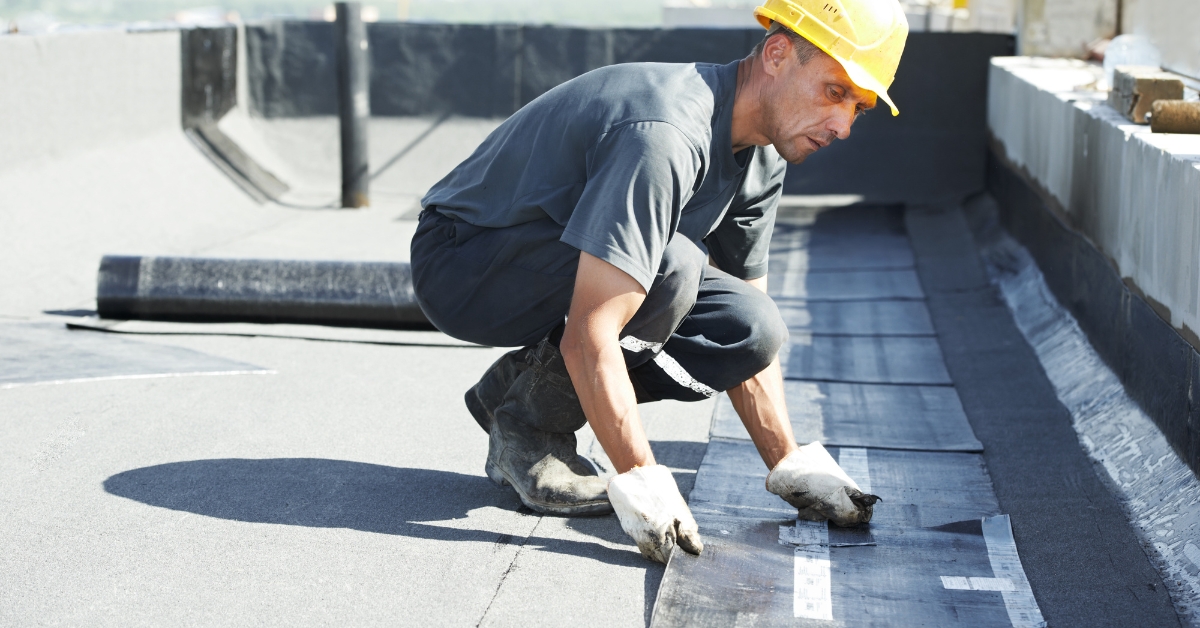
    Worker in gloves uses a torch to apply and seal flat roofing materials on a flat roof surface.

    TPO (Thermoplastic Olefin)

    1. Durable, reflective, and energy efficient
    2. Welded seams make it resistant to leaks
    3. Common in commercial buildings

    EPDM (Ethylene Propylene Diene Monomer)

    1. Rubber-based and flexible
    2. Excellent for extreme weather tolerance
    3. May absorb more heat (black surface)

    Modified Bitumen

    1. Asphalt-based with reinforced fabric layers
    2. Affordable and easy to install
    3. Prone to cracking in cold unless maintained

    Built-Up Roofing (BUR)

    1. Multiple layers of tar, asphalt, and gravel
    2. Time-tested but heavy and labor-intensive

    Which Material Performs Best in Utah?

    With our freeze-thaw cycles, summer sun, and snow accumulation, these materials tend to perform best in Salt Lake County:

    Top Performers for Utah Climate

    1. TPO Roofing: Excellent UV resistance and low heat absorption
    2. EPDM Roofing: Ideal for durability across temperature swings

    Best Overall? For most homes and light commercial properties in Utah, TPO is a leading choice. It balances cost, energy efficiency, and longevity.

    Cost Comparison by Material Type

    Here’s what you can expect to budget (per square foot installed):

    Material Avg Cost (Installed) Lifespan
    TPO $5.50 – $7.50 20–30 years
    EPDM $4.50 – $6.50 20–25 years
    Modified Bitumen $4.00 – $6.00 15–20 years
    Built-Up (BUR) $5.00 – $7.00 15–25 years

    Pro Tip: The real cost comes not just from materials but installation quality. That’s why warranties and local contractor expertise matter more than most people realize.

    Roof Comparison Table

    Material Cost per sq. ft. Lifespan Maintenance Level UV Resistance Snow Resistance Ideal For
    TPO $5.50–$7.50 20–30 years Low High High Residential & Commercial
    EPDM $4.50–$6.50 20–25 years Moderate Moderate High Residential & Commercial
    Modified Bitumen $4.00–$6.00 15–20 years High Low Moderate Residential
    BUR $5.00–$7.00 15–25 years High Moderate Moderate Commercial


    When to Replace vs. Repair

    Not sure if it’s time for a new flat roof? Here’s how to tell:

    Flat Roof Material Comparison Chart

    Replace your flat roof if:

    1. You see consistent ponding water
    2. Repairs are costing you more than 25% of replacement
    3. There's widespread cracking or seam failure

    Repair your roof if:

    1. Issues are isolated (like a small puncture)
    2. The membrane is under 10 years old
    3. Damage was caused by an external event (like debris or hail)

    If in doubt, professional inspection is always the first step.

    Questions to Ask Your Roofer Before Choosing a Flat Roof

    Before hiring a contractor or selecting a material, ask these essential questions:

    1. What’s the warranty on both labor and materials?
    2. Is this product tested for Utah snow loads?
    3. Are you certified to install this material?
    4. What’s the estimated maintenance over the life of the roof?
    5. Can I see examples of similar local projects?

    Asking the right questions helps ensure you make a confident, informed decision.

    Maintenance Schedule by Material

    Understanding the maintenance each flat roof type needs will help you plan long-term care and protect your investment:

    1. EPDM: Inspect yearly for seam integrity and re-seal as needed
    2. TPO: Clean surface 1–2 times per year to maintain reflectivity and prevent buildup
    3. Modified Bitumen: Inspect twice a year for cracks or blisters, especially after winter
    4. BUR: Re-gravel or patch annually; inspect after storms

    Proactive maintenance helps extend your roof’s lifespan and prevent costly repairs.

    How to Choose the Right Roofing Contractor

    Here’s what to look for:

    1. Local expertise in Utah’s roofing codes
    2. Long-term warranties on both materials and labor
    3. A transparent quote process with no pressure
    4. Tools like instant pricing or roof visualizers

    At Vertex Roofing, we’ve helped thousands of homeowners and property managers get peace of mind with our 50-year material warranties, real-time quote tool, and 100% satisfaction guarantee.

    FAQs

    Final Considerations for Utah Property Owners

    The best flat roof material depends on your budget, climate, and long-term plans—but with the right choice, you’ll protect your investment for decades.

    At Vertex Roofing, we don’t just install roofs—we help you make informed, lasting decisions with confidence.

    Ready to explore your options? Request a fast quote or book an inspection today.

    Download PDF

    Aerial view of modern Utah home with finished roof

    How to Pick the Perfect Roof Color for Your Utah Home

    Why Roof Color Matters More Than You Think

    A new roof is one of the biggest visual and financial decisions you’ll make for your home. But here’s the thing—the color you choose can boost your curb appeal or instantly clash with your neighborhood.

    If you’re in Utah and feeling overwhelmed by all the roof shingle colors, styles, and material options—you’re not alone. This guide breaks down what actually matters, helps you avoid common mistakes, and gives you a confident path forward.

    What We’ll Cover

    1. How Roof Color Impacts Your Home
    2. Best Roof Shingle Colors for Utah Homes
    3. Matching Roof Colors to House Styles
    4. Metal vs Asphalt: Does Color Choice Change?
    5. Mistakes to Avoid When Picking a Roof Color
    6. Ready to See It on Your Home?
    7. FAQs

    How Roof Color Impacts Your Home’s Performance and Style

    Roof color selection process for homeowners

    Roof color isn’t just about looks—it can affect:

    1. Energy efficiency
    2. Resale value
    3. Homeowner association (HOA) approval
    4. Perceived home size and style

    A darker roof absorbs more heat—great for colder regions like Utah. Lighter roofs reflect sunlight, ideal for desert climates.

    Key takeaway: Your choice isn’t just aesthetic—it’s functional and financial.

    Best Roof Shingle Colors for Utah Homes

    In Utah’s climate, where sun exposure and snow are factors, these shingle colors perform well:

    1. Charcoal or Pewter Gray: Sleek, modern, hides grime
    2. Brown or Weathered Wood: Warm, rustic, blends with nature
    3. Black: Classic, bold, heat-absorbing
    4. Slate Blue or Driftwood: Soft contrast for lighter siding

    Pro Tip: Use our roof color visualizer tool to upload your home photo and preview styles.

    Sunlight hitting a dark-colored energy-efficient roof

    Matching Roof Colors to Different House Styles

    Different homes call for different roofing aesthetics. Match your roof color to your architecture:

    House StyleSuggested Roof Color
    CraftsmanRustic Brown, Driftwood
    ColonialBlack, Slate
    ContemporaryPewter Gray, Charcoal
    FarmhouseWeathered Wood, Green

    Also consider:

    1. Trim & siding colors
    2. Brick/stone undertones
    3. Neighborhood cohesion

    Explore more in our guide to choosing new shingles.

    Metal vs Asphalt Roofing: Color Considerations Explained

    Side-by-side comparison of metal and asphalt roof colors

    Metal roofing colors are powder-coated, fade-resistant, and modern.

    Advantages:

    1. Reflective coatings reduce summer heat
    2. Available in matte, gloss, or textured finishes
    3. Ideal for eco-conscious homeowners

    Roof shingles colors offer broader variety, textured profiles, and affordability.

    Choose metal if:

    1. You prioritize durability and sustainabilityChoose asphalt if:
    2. You want classic variety at a lower cost

    Mistakes to Avoid When Picking a Roof Color

    Avoid these common regrets:

    1. Picking based on trends instead of your home’s style
    2. Ignoring natural light and shadow effects
    3. Choosing without samples or a visualizer
    4. Overlooking resale impact
    5. Clashing with fixed features (brick, stone)

    At Vertex Roofing, we help clients test swatches under real sunlight—not showroom lights. Learn more about common roofing problems to avoid costly mistakes.

    Why Trust Vertex Roofing

    With over 15 years of experience serving Utah homeowners, Vertex Roofing has helped thousands make smarter, more stylish roofing choices. We’re a local expert with visual tools and transparent quoting—not just a contractor, but a design partner.

    Learn more about our team.

    FAQ Section

    Ready to See It on Your Home?

    Ready to pick your roof color with confidence?

    Try our free roof color visualizer or get a custom quote using just your address — no sales call required.

    Make a Confident, Stylish Roofing Choice

    Choosing your roof color shouldn’t be stressful—it should be exciting. With the right tools, local insight, and a trusted partner like Vertex Roofing, you’ll land on a color that not only looks great, but performs for decades.

    Serving Salt Lake City and nearby Utah communities, we’re here when you’re ready.

    → Want more inspiration or expert guidance? Explore our roofing insights.

    → For a full breakdown of roof types, materials, and warranties, visit our Roofing Services pillar page.

    → Learn more about the roof replacement process and what’s included.

    Download PDF

    Explore the inner structure of a complete roofing system

    What Is the Inside of a Roof Made Of?

    What’s Under Your Shingles?

    Ever wonder what really lies beneath the surface of your roof? While shingles are the first thing you see, there’s a whole system underneath working to protect your home from water, wind, heat, and cold. At Vertex Roofing, we believe every homeowner should understand the basic components that keep their home safe and dry.

    vertex-roofing-salt-lake-city-transparent-white

    Monday - Friday: 8am - 5pm
    Saturday: Closed
    Sunday: Closed

    Service Area

    Vertex Roofing Contractors offers expert roof repair, roof replacement, and roof inspections to customers in Salt Lake County, Weber County, Davis County, Summit County and Utah County.
     
    Service Areas
     

    Contact Us

    Vertex Roofing Contractors

    Contact our roofers today to get an experience you'll love and trust. Cities we consistently perform roof replacements and roof maintenance in are Salt Lake City, Sandy, West Valley City, West Jordan, South Jordan, Murray, Midvale, Holladay, Riverton, Taylorsville, Cottonwood Heights, Millcreek, Herriman, Magna, Kearns, Alta, Granite, Draper, Bluffdale, Highland, Saratoga Springs, Eagle Mountain, Park City, and more throughout Utah.

    © Copyright 2025 Vertex Roofing Contractors   |  Sitemap   |  Privacy & Terms   |   Website Solutions