When Your Roof Is Damaged, And You Are Staring At A Big Bill
If you live in Salt Lake City or anywhere along the Wasatch Front, you know how quickly wind, hail, and heavy snow can turn a good roof into a problem. When that happens, one question jumps to the front of your mind: Will insurance actually pay for the replacement?
This guide walks you step by step through what to do so you give your claim the best possible chance of approval. If you are dealing with sudden roof damage, active leaks, or an adjuster who seems hard to read, you are not alone. By the time you reach the end, you will know what insurance usually covers, what proof you need, and how to avoid the mistakes that cause good claims to be denied.
What We’ll Cover:
- What Insurance Usually Covers For Roof Damage
- How To Tell If Your Roof Qualifies For Coverage
- Step By Step Guide To Filing A Successful Claim
- Mistakes That Trigger Insurance Denials
- How A Roofing Inspection Strengthens Your Claim
- Subtle Trust Builders And Real World Expertise
- Soft Next Step: What To Do After You Read This
- FAQ
What Insurance Actually Covers For Roof Damage
Here is the thing. Homeowners insurance is more predictable than it feels when you are stressed. Most Utah policies cover sudden and accidental damage. They do not cover old age or routine wear, but they often pay when real storm events hit your roof.
The Main Types Of Damage Usually Covered
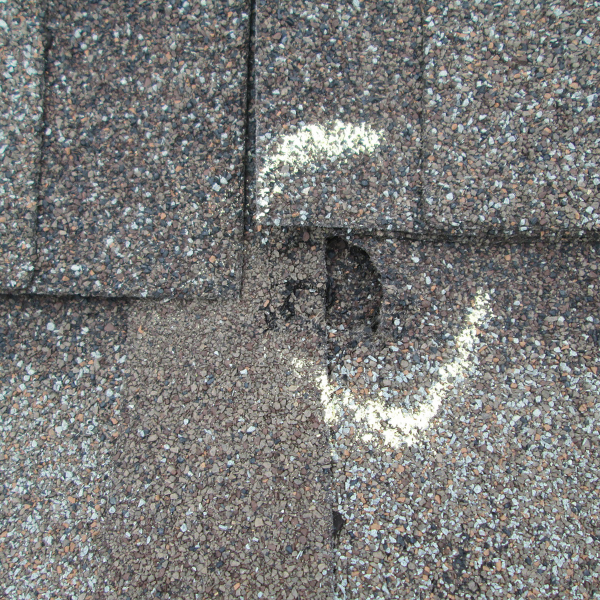
Insurance companies commonly approve claims for:
- Wind damage including missing or lifted shingles
- Hail impact that bruises or fractures shingles
- Tree limbs or debris hitting the roof during a storm
- Ice dams that lead to active interior leaks
- Fire or smoke damage
- Structural problems caused by sudden impact
If the damage lines up with a weather event that can be verified in your area, your claim already has a solid foundation.
Why Age Matters But Is Not Always A Deal Breaker
Many homeowners assume an older roof cannot be covered. That is not automatically true. If sudden damage happens, the real questions become:
- Was the roof in reasonable condition before the storm
- Did the storm create new, visible damage
- Did shingles fail due to impact rather than long term neglect
If a storm clearly created fresh damage, age becomes one factor, not the final verdict.
How To Tell If Your Roof Qualifies For Coverage
Before calling anyone, most homeowners just want to know if they have a real shot at getting approved. A simple checklist can help you decide whether to move forward with a claim.
Quick Self Check
Your roof may qualify if you notice any of the following after a storm:
- Shingles that are cracked, bent, missing, or torn
- Fresh piles of granules in gutters or on the ground
- Neighbors scheduling roof inspections after the same event
- New water stains on ceilings or walls that appeared right after the storm
- Shingle pieces or debris scattered around your yard
- A known wind or hail event in your ZIP code on or near the date of damage
If even one or two of these sound familiar, you should at least have a qualified roofer take a closer look.
Utah Weather Patterns That Strengthen Claims
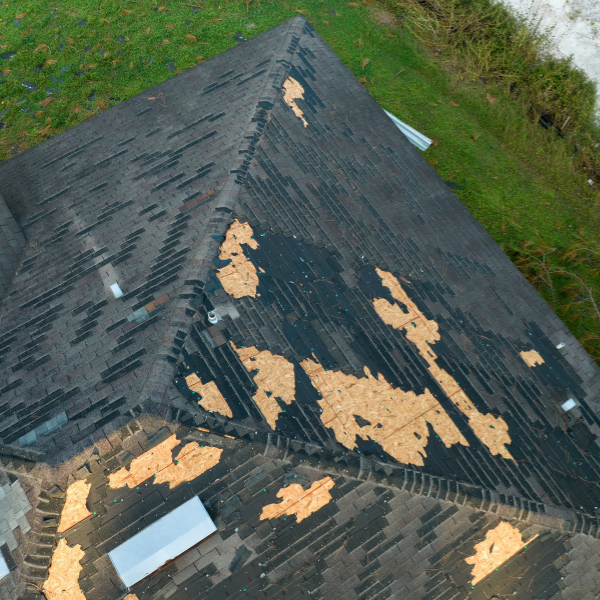
Insurance carriers cross check storms using weather data. Along the Wasatch Front, the most common events tied to roof claims are:
- Strong spring wind bursts
- Late summer hail storms
- Heavy winter snowfall and ice dams
- Sudden temperature swings that weaken shingles
When your damage lines up with a documented weather event, adjusters are more likely to recognize it as legitimate storm damage.
Step By Step Guide To Filing A Successful Roof Replacement Claim
Let’s break the process into simple, predictable steps. This is what most homeowners actually want: a clear order of what to do and when.
Step 1. Document The Damage Right Away
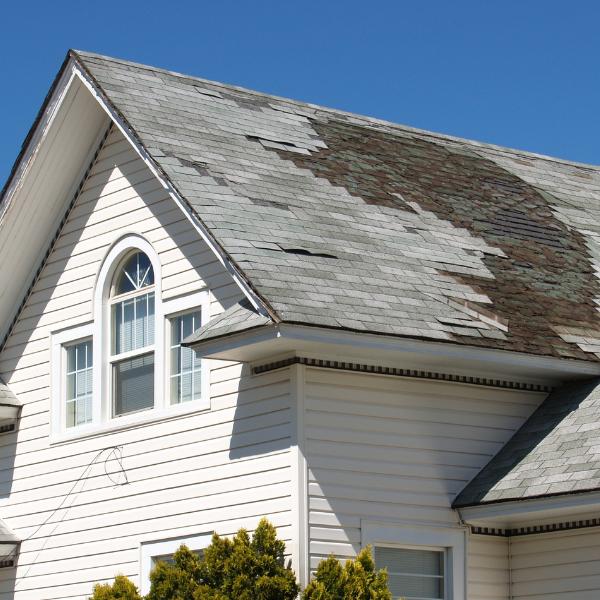
Before you clean anything up, take detailed photos of:
- Missing, lifted, cracked, or curled shingles
- Exposed underlayment or decking
- Dents or impact marks on shingles, vents, and flashing
- Interior leaks, stains, or peeling paint
- Debris on the roof or around the property
The more proof you have, the easier it is to back up your story later.
Step 2. Schedule A Professional Roofing Inspection
Instead of calling insurance first, bring in a roofer who understands storm damage and insurance language. A professional roofing inspection gives you:
- A full written report you can hand to the adjuster
- Clear photo evidence from the roof surface, not just the ground
- An estimate that reflects the true cost of repairs or replacement
- Confirmation that the damage is storm related, not just wear
This step alone can change the outcome of a claim.
Step 3. File The Claim With Your Insurance Provider
Once you have documentation, call your insurance company and open a claim. They will ask for:
- Your policy number
- The date of the storm or event
- A short description of what happened
- Any photos or inspection reports you already have
Keep your description factual and simple. Avoid guessing at causes or mentioning age more than necessary.
Step 4. Meet With The Adjuster
Your adjuster will schedule a time to inspect the roof. Whenever possible, have your roofer on site during that visit. Their role is to:
- Point out all storm-related damage
- Make sure no slopes or sections are skipped
- Answer technical questions about materials and repairs
In many cases, a roofer who understands storm damage can help the adjuster see the full scope of the problem.
Step 5. Get Approval And Schedule The Replacement
If the adjuster agrees that the roof has covered storm damage, they will create an estimate and issue an initial payment. From there:
- You choose a contractor to complete the roof replacement
- Work is completed according to the scope
- Final photos and invoices are sent to the insurer
- The remaining funds are released
A good contractor makes this process feel structured instead of chaotic.
Mistakes That Trigger Roofing Claim Denials
Many denied claims were avoidable. The damage was real. The documentation and process were not. Here are the most common missteps to avoid.
Mistake 1. Waiting Too Long To File
Most carriers have strict deadlines for reporting storm damage. Waiting months or years gives them room to argue that other factors caused the problem.
Mistake 2. Cleaning Or Repairing Before Taking Photos
Homeowners often want to be helpful and tidy up. The issue is that you can accidentally remove the very evidence that shows the severity and cause of the damage. Always document first.
Mistake 3. Calling Insurance Before Talking To A Roofer
If you call your carrier first, you may describe the damage in a way that weakens your claim. A roofer can help you understand what actually happened so you speak accurately when you file.
Mistake 4. Relying Only On The Adjuster’s Opinion
Adjusters work for the insurance company. Without a contractor present, they may miss details or classify problems as maintenance instead of storm damage.
Mistake 5. Accepting A Denial Without Question
If you truly believe a storm caused the problem, you can ask for a reinspection or submit additional evidence. A roofer who documents thoroughly and understands how to submit an insurance claim for your roof can be a huge help here.
How A Roofing Inspection Strengthens Your Claim
This is where experience really shows. At Vertex Roofing, we inspect storm damage across Salt Lake County all the time. Most calls start the same way:
“My roof is leaking and I am not sure if insurance will help.”
A proper inspection gives clear answers. You get:
- Drone or roof level photos that prove impact, not just age
- Measurements that show how much of the roof is affected
- A detailed scope of work that matches what a full replacement will require
- Support when the adjuster arrives so nothing gets overlooked
If you have a leaky roof or missing shingles after a storm, an inspection is not just “nice to have.” It is the foundation of a strong claim.
What This Means For Utah Homeowners
The insurance process feels complicated because most people only go through it once or twice in their life. Insurers and adjusters, on the other hand, live in that world every day.
What this really means is that you do not have to become an insurance expert. You just need:
- Solid documentation of the damage
- A roofer who understands how storms affect Utah roofs
- A clear, timely claim with accurate information
When those pieces are in place, getting insurance to cover a roof replacement becomes much more realistic.
Quiet Ways To Show Real World Expertise
You should always be cautious of anyone who promises guaranteed approvals. No contractor controls an insurance company’s final decision. What an experienced roofer can control is the quality of the inspection and documentation they provide.
At Vertex Roofing, we:
- Work on residential and commercial roofs across the Wasatch Front
- Understand how local wind, hail, and snow patterns actually damage shingles
- Provide detailed reports that adjusters and underwriters can work with
- Stand behind our work with long term warranties so you are protected long after the claim is closed
Those are the kinds of details smart homeowners look for when choosing who to trust with their roof.
Ready For Next Steps
If your roof has taken a hit and you are not sure what to do next, the simplest move is to schedule an inspection and get the facts. From there, you can decide whether a claim makes sense without guessing.
You can also look at how your roof is performing in general. Many homeowners discover in this process that they already had underlying issues and were close to the point where signs you need a roof replacement were starting to show. Catching that early is a win, with or without insurance.
FAQ About Getting Insurance To Pay For Roof Replacement
Protect Your Home And Your Budget With The Right Help
If your roof was hit by wind, hail, or heavy snow, you do not have to guess your way through the insurance process. With the right documentation, inspection, and claim strategy, many Utah homeowners do get approved for partial or full replacement.
Take a simple path: document the damage, schedule an inspection with a trusted local roofer, and then file your claim with confidence. From there, you can focus on getting the work done and keeping your home dry and protected for years to come.
If you want practical guidance, you can always reach out for an inspection, a second opinion, or help understanding what your policy is likely to cover.
Related Reads
If you found this helpful and want to keep going, here are a few good next steps:

- Your 50-Year Roof Warranty in Utah: What Every Homeowner Needs to Know - March 16, 2026
- Roof Repair Guide: Expert Tips from Vertex Roofing - March 5, 2026
- How To Get Insurance To Pay For Roof Replacement - December 10, 2025