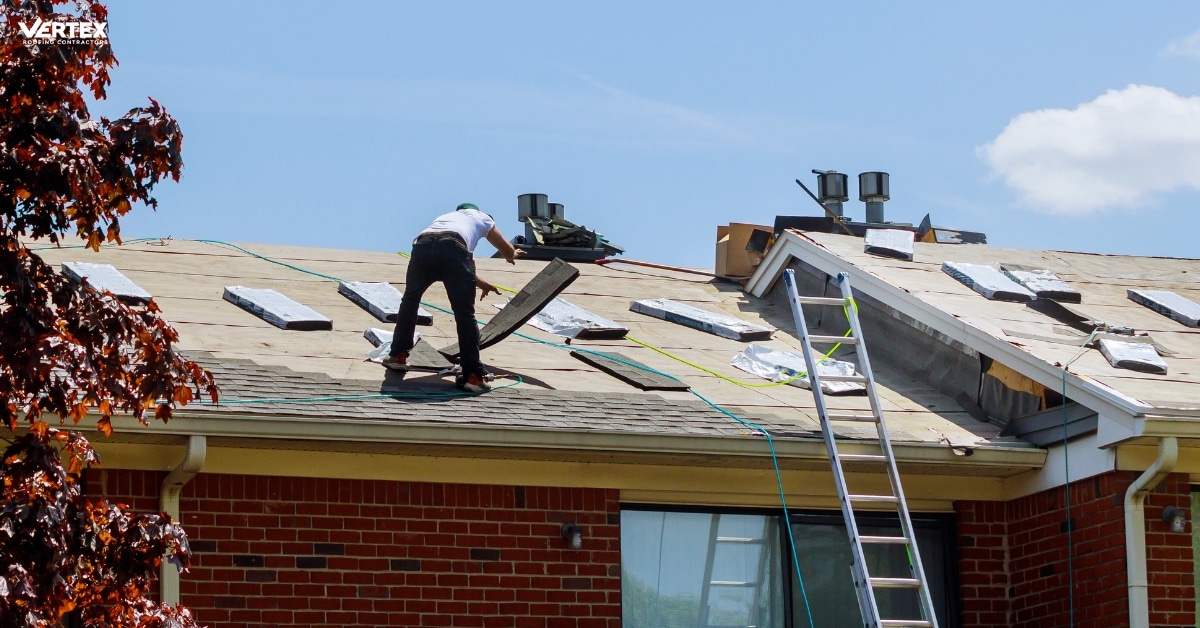
If water is suddenly pouring from your ceiling or a windstorm just ripped shingles off your roof, you do not have time to scroll through generic advice. You need clear, step‑by‑step guidance on what to do right now.
We handle emergency roof repair calls across Salt Lake City and the Wasatch Front, and we have seen just about every kind of roof disaster: storm damage, fallen branches, ice dam leaks, and surprise ceiling collapses. In this guide, we will walk you through how to recognize a true roofing emergency, keep your family safe, limit damage inside your home, and know when it is time to call in a professional roofer.
Whether you are in Salt Lake City, West Valley City, Sandy, Murray, South Jordan, or anywhere in Salt Lake County, these steps will help you act quickly and confidently when your roof fails without warning.
Recognizing A Roofing Emergency
Not every leak is a full-blown emergency, but some issues simply cannot wait. Knowing the difference helps you avoid unnecessary panic while still acting fast when it really matters.
Common Types Of Roof Emergencies
From what we see on real homes in Utah, these are the most common situations that count as true emergency roof repair:
Active, heavy leaks during a storm
Water is coming through the ceiling or running down walls, not just a faint stain that appears over weeks.
Portions of the roof blown off by wind
Missing shingles that expose bare wood or underlayment, especially over large areas.
Tree or large branch impact
Anything heavy that hits the roof hard enough to crack framing, damage decking, or puncture the roofing surface.
Sagging or partially collapsed roof sections
A visible dip, bow, or crack in the ceiling, especially if it suddenly appears after heavy snow or rain.
Fire damage to the roof structure
Even if the fire is out, heat can weaken rafters and trusses.
Major ice dams causing water backup
When melting snow forces water under shingles and into the attic or walls.
If you are dealing with one of these, you are not just looking at cosmetic damage. The structure, electrical system, and safety of your home may be at risk.
Warning Signs You Should Not Ignore
Sometimes the signs are more subtle, but still serious enough to treat as urgent:
- Sudden, new water stains on ceilings during or right after rain
- Dripping sounds inside walls or from light fixtures
- A musty or damp smell appearing quickly in one area of the home
- Visible daylight through the attic roof deck
- Shingles scattered in the yard after a storm, especially if you see exposed wood on the roof
- Granules from asphalt shingles piling up in gutters or downspouts after heavy weather
Here is the rule we use: if water is actively entering your home, or if the roof structure looks compromised in any way, treat it as an emergency and move on to safety first.
Staying Safe Before You Do Anything Else
Before you climb a ladder or start moving buckets, stop and think about safety. A damaged roof combined with water and electricity can turn dangerous very quickly.
Personal Safety Precautions
When you suspect serious roof damage, we recommend you:
Avoid climbing on the roof during a storm
Wet, wind, snow, or ice make roofs extremely slippery. Even experienced roofers wait for conditions to stabilize when possible.
Watch for electrical hazards
If water is near electrical panels, outlets, or fixtures, do not touch them. If you see sparking or smell burning, shut off power to that area if you can do it safely.
Stay away from sagging ceilings
A ceiling that is bowed or bulging with water can collapse without warning. Keep people out of that room until the water is relieved or the area is evaluated.
Be cautious with ladders
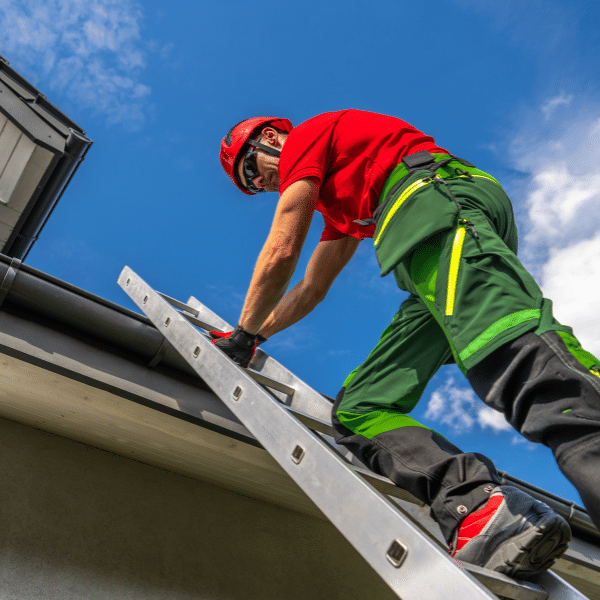
Place ladders on firm, level ground and never climb with arms full of tools or materials. If you are not comfortable on a ladder, do not use one.
Do not walk on visibly damaged areas
Cracked or broken roof decking may not support your weight.
When in doubt, stay off the roof and handle what you can safely from inside.
Protecting People, Pets, And Belongings Indoors
Once you are sure everyone is safe from immediate hazards, focus on the inside of the home:
- Move family members and pets away from any room with a sagging ceiling or active leak.
- Relocate electronics, furniture, rugs, and valuables from under leak areas.
- If water is dripping, place buckets, pans, or large containers underneath to catch it.
- Put down old towels or plastic sheeting to reduce damage to flooring.
- If a ceiling is holding a large pocket of water and you are confident it is safe, you can carefully puncture a small hole in the lowest point to relieve pressure into a bucket. Only do this if the ceiling is not cracked, sagging severely, or at risk of collapse.

Your priority at this stage is preventing injury and avoiding additional interior damage while you prepare your next steps.
Immediate Steps To Minimize Damage
Once you have secured the area and taken basic safety steps, you can focus on slowing the damage until an emergency roof repair crew can get to you.
Temporary Ways To Stop Or Slow Leaks
These quick actions can buy you time:
Clear blocked drains or gutters if safe
Sometimes water backs up because of clogged gutters. If you can safely reach them from the ground or a short ladder and the weather has calmed, clearing them may reduce the leak.
What this really means is that your goal is not to fix the roof permanently right now. You just want to keep as much water out of the home as possible until a professional can do a proper repair.
Locate the source as best you can
Go into the attic with a flashlight if it is safe. Look for active drips, wet insulation, or dark, wet wood on the underside of the roof deck.
Use containers and channels
Position buckets or large plastic bins directly under drips. You can even use a piece of string or cord tacked from the wet area down to a bucket to guide the water.
Clear blocked drains or gutters if safe
Sometimes water backs up because of clogged gutters. If you can safely reach them from the ground or a short ladder and the weather has calmed, clearing them may reduce the leak.
What this really means is that your goal is not to fix the roof permanently right now. You just want to keep as much water out of the home as possible until a professional can do a proper repair.
Containing Water And Protecting Interior Surfaces
Inside the home, a bit of quick action can save a lot of money later:

- Remove wet rugs, cushions, and textiles so they can dry.
- Blot standing water on hard floors with towels or a wet vac.
- Prop up furniture on blocks or foil to keep legs off wet floors.
- Open doors and closets to allow air circulation if the leak affected nearby spaces.
- If safe, use fans and dehumidifiers to start drying the area and reduce mold risk.
The faster you get water away from floors, drywall, and framing, the less likely you are to face long-term mold and structural issues.
Documenting The Damage For Insurance
While everything is fresh, take time to document what happened. This is important for insurance claims later.
- Take clear photos and videos of:
- The roof from the ground
- Any visible damage to shingles, flashing, or gutters
- Interior damage to ceilings, walls, and belongings
- Standing water or wet materials
- Make a quick list of damaged items and approximate values.
- Write down the date, time, and what was happening (heavy rain, hail, high wind, falling branch, etc.).
When you call your insurance company, these details help speed up the claim and support the need for emergency roof repair instead of delaying it.
Short-Term Roof Repair Options You Can Use In A Pinch
We often arrive on site and see homeowners who tried their best with tarps and tape. Some of it helps, some of it creates more problems. If you are going to attempt temporary repairs yourself, here is how to do it as safely and effectively as possible.
Tarping A Roof Safely
Tarping can be an effective short-term solution when done correctly.

If you are uncomfortable climbing or the damage is near the edge or at a steep pitch, do not attempt to tarp. In those cases, an emergency roofing crew with safety gear is the better option.
Using Sealants, Patches, And Emergency Materials
For small, localized issues, a few materials can help control leaks temporarily:
- Roofing cement or mastic for minor flashing gaps
- Temporary roof patch kits for small punctures
- Plastic sheeting and tape from the inside to cover small ceiling openings
These are not permanent fixes. They are simply bandages to keep water out for a short time. Overusing sealant without addressing the underlying issue often leads to more complicated repairs later.
What Not To Do During A Roofing Emergency
We see the same risky mistakes over and over. Avoid these:
- Do not walk on a wet, icy, or storm-damaged roof without proper training and safety gear.
- Do not try to cut or remove large tree branches that are resting on the roof if they are near power lines or could shift suddenly.
- Do not ignore the problem and hope it dries out. Hidden moisture can cause mold, rot, and electrical problems.
- Do not accept repairs from door-to-door "contractors" who show up after storms without proper credentials and references.
If something feels risky or you are not sure how to proceed, it is time to bring in a professional.
When To Call A Professional Roofer
There is a point in almost every emergency when DIY efforts are no longer enough. Knowing when to pick up the phone can save you from higher repair costs and serious safety issues.
Situations That Require Immediate Professional Help
You should call a professional roofing contractor right away if:
- The roof structure is sagging, cracked, or partially collapsed.
- A tree, large limb, or heavy debris has hit the roof.
- You see significant areas of missing shingles or exposed wood.
- Water is entering the home in multiple locations.
- There is any sign of electrical danger near the leak.
- The roof is steep, high, or difficult to access.
For homeowners in Salt Lake City and surrounding areas, we handle 24/7 emergency roof repair on residential and commercial roofs. When you call, we can usually walk you through immediate steps over the phone while we dispatch a crew.
Questions To Ask Before Approving Emergency Work
When you talk with any roofing contractor, especially in an emergency, it helps to ask a few key questions:
- Are you licensed and insured in Utah?
- How quickly can you arrive to inspect the damage?
- Will you provide photos or a written description of what you find?
- What temporary measures will you put in place right away?
- Can you coordinate with my insurance adjuster if needed?
- What warranties do you provide on the permanent repair or roof replacement?
In our case, every residential roof replacement we do in Salt Lake County is backed by a 50-year material warranty and a 25-year workmanship guarantee. That kind of protection matters even more when the roof has already been stressed by storm or impact damage.
If you are dealing with active leaks or visible damage now, call us at (801) 639-0477 to schedule an emergency inspection so we can stabilize your roof and protect your home.
Planning For Long-Term Roof Repair Or Replacement
After the initial emergency has been handled and the roof is temporarily stable, it is time to think about long-term solutions.
Assessing The Overall Condition Of Your Roof
An emergency leak often exposes deeper issues that have been building for years. During a full inspection, we look at:
- Roof age and remaining life expectancy
- Condition of shingles or other roofing materials
- Flashing around chimneys, vents, and skylights
- Roof decking and structural framing
- Ventilation and insulation in the attic
Sometimes a targeted repair is all you need. Other times, especially on older roofs in Utah's harsh freeze-thaw climate, a full roof replacement provides better long-term value and protection.
Working With Insurance On Permanent Repairs
For storm damage and sudden accidental events, homeowners insurance often helps cover repairs or replacement. To keep that process smooth:
- Contact your insurance company promptly and report the incident.
- Provide the photos, videos, and notes you captured during the emergency.
- Ask about next steps and whether an adjuster will visit your home.
- Coordinate with a trusted roofing contractor who can meet the adjuster, explain the technical damage, and provide a detailed estimate.
We regularly work with insurance carriers across Salt Lake County and can help document damage, provide clear scope of work, and make sure needed repairs are fully addressed.
Preventing Future Roofing Emergencies
Once the dust settles, the best outcome is learning how to avoid going through this again. We suggest:
- Scheduling regular professional roof inspections, especially after major wind or hail storms.
- Keeping gutters and downspouts clear so water drains correctly.
- Trimming overhanging branches that could fall or scrape shingles.
- Improving attic ventilation and insulation to reduce ice dams.
- Addressing small leaks and missing shingles promptly, before they turn into emergencies.
Preventive roof maintenance costs far less than emergency roof repair and gives you peace of mind when the next Utah storm rolls through.
Emergency Roof Repair FAQs
Schedule regular roof inspections, especially after major storms; keep gutters and downspouts clear; trim overhanging branches; improve attic ventilation and insulation to reduce ice dams; and repair small leaks or missing shingles quickly. Proactive maintenance is far cheaper than emergency roof repair and greatly reduces the risk of sudden failures.
Contact the Experts for Emergency Roof Repair Services in Utah
When your roof suddenly fails, it is easy to feel overwhelmed. But with a clear plan, you can protect your family, limit the damage, and move quickly toward a solid, long-term repair.
Recognize the signs of a true roofing emergency, prioritize safety, take simple steps to control water inside the home, and do not hesitate to bring in qualified help when the situation is beyond quick DIY fixes. A strong, watertight roof is not a luxury in Utah's climate. It is essential protection for everything you care about inside your home.
If you are in Salt Lake City, West Valley City, Sandy, Murray, South Jordan, or nearby communities and you are dealing with urgent roof problems, we are ready to help. For trusted emergency roof repair, inspections, and full roof replacement backed by long warranties and local experience, contact Vertex Roofing so we can get your roof back to the peak of protection. For more roofing resources, visit our roofing blog.